The root cause of IgA nephropathy
IgA nephropathy is a kidney disease that is defined by the pathologic appearance of glomerular deposition of IgA immune complexes. However, this definition does not address the root cause of the disease.
It has been increasingly recognized that IgA immune complex that deposit in the kidneys predominantly contain polymeric IgA1 lacking galactose within its O-glycosylated hinge region.
In this study, researchers found that patients with IgA nephropathy have elevated levels of certain B cells that are enriched for λ light chains. These cells are predestined for homing to upper respiratory and digestive tract mucosal tissues. In the mucosal tissues, these B cells mature and excrete abnormal IgA in the setting of upper respiratory or digestive infection. You can read more IgA nephropathy by reading our blog here.
Join us in the fight against kidney disease and receive the FREE Report “5 Pitfalls to Avoid When Caring for Kidney Patients”
Metformin: Some people love it and some people hate it… But it sure is getting a lot of attention lately
This study was done in rats with “non-diabetic kidney disease.” CKD was established in these rats by feeding them high adenine diet. Then they were randomized to receive either metformin or canagliflozin (an SGLT-2 inhibitor).
Metformin, but not canagliflozin, halted the decline in kidney function. Additionally, kidneys of metformin-treated animals showed less interstitial area and inflammation as compared to the vehicle group.
Metformin is increasingly being studied in humans for various kidney diseases. If used judiciously it may be a cheap alternative to preserving kidney function.
Download Your Copy!





Tremor + gum disease + nephrotic Syndrome = ?
In this study, investigators in Beijing looked into the manifestation of mercury poisoning in 172 patients. 26.74% of these patients had kidney injury (3/4 were women) and most of them had nephrotic syndrome. The most common finding on the biopsy was membranous nephropathy.
Other findings of chronic mercury poisoning were neurotoxicity and gingivitis. Chelation with DMPS alone was as effective as chelation and prednisone in reversing kidney injury.
The most common source of exposure without kidney disease was industrial exposure. Interestingly, the most common source of exposure leading to kidney disease was cosmetics containing ionic mercury (mercury concentration in one of the patients cosmetic was 4600 mg/kg – national standards are < 1 mg/kg).
Join here to receive FREE monthly updates on the latest research in Integrative Nephrology straight to your inbox.
We would love to here your feedback. Let us know what you think of these educational materials and if you like us to focus on certain topics. Email us at info@inkidney.com
The post April Research And News appeared first on Integrative Kidney.]]>

Root Causes of Itching in Kidney Disease
Uremic toxin-induced neurologic changes
Several studies showed that patients with CKD have an imbalance of opioid receptors in the central and peripheral nervous system. Interestingly, itching in CKD correlates better with the level of uremic toxins than with glomerular filtration rate (GFR, a measurement of how well the kidneys are working). These toxins play an important role in these neurologic changes that are common in CKD. Most of these toxins are generated by the gut microbiome and are excreted by the renal tubules and not by glomerular filtration (or GFR). Measuring these toxins can be helpful. This can be done by a metabolomic test such as Genova’s Metabolomix+.
Download Your Copy!
Inflammation
CKD is an inflammatory disorder. Elevated inflammatory markers have been found to be associated with itching in kidney disease. Measuring inflammatory markers such as hsCRP, Th-1 cells, and IL-6 can be helpful in the assessment of the root cause of itching in CKD.
Dehydration
Dehydration can also lead to dry skin and worsens itching in CKD patients. Correcting the dehydration can be important in the management of itching.
Join us in the fight against kidney disease and receive the FREE Report “5 Pitfalls to Avoid When Caring for Kidney Patients”
Drug-induced itching
Many medications that are used in CKD have been associated with itching. These include calcium channel blockers, hydrochlorothiazide, and ACE inhibitors. In addition, other medications such as opioids, anticoagulants, and antibiotics can cause itching.
The itch-scratch-itch cycle
One of the major problems with itching is that it leads to scratching, and this can cause skin damage. The latter can cause further itching and the cycle continues.
Natural Treatments for itching in kidney disease
There are many steps you can take to get rid of itching in kidney disease and a kidney disease rash. The first step is to visit a healthcare provider to help you determine the root cause. You can download this two-page handout to guide you in the natural treatment of itching. There is hope that you’ll relieve this frustrating problem and have comfortable skin once again.
The post Root Causes of Itching in Kidney Disease appeared first on Integrative Kidney.]]>
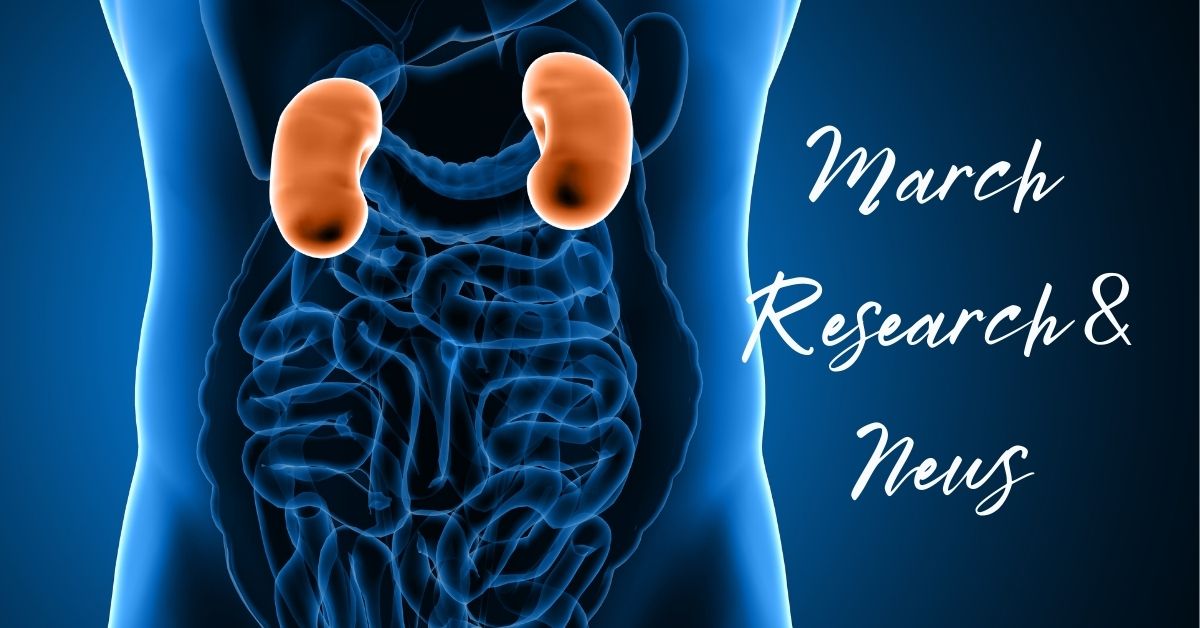
Air pollution is linked to kidney disease
PM 2.5 refers to particulate matters that are up to 2.5 microns in size. Because of their small size, they are considered to be the worst of all air pollutants. They reach the alveoli and enter the blood stream. This study looked at the link between PM 2.5 and chronic kidney disease (CKD) in the Twin-cities area of Minnesota. Researchers found that the risk of CKD increases with higher levels of PM 2.5. This remained true after adjusting to all other variable.
It is, therefore, important to think of air pollution as a mediator of CKD and minimize exposure to it.
Block "fundamentals" not found
A Study reaffirms the role of the gut kidney connection in diabetic kidney disease
You know we discussed the role of the gut-kidney connection in the progression of CKD. You can find many of our blogs discussing this here. Dysbiosis can be a predisposing factor or a mediator when it comes to kidney disease. This study looked at the contribution of impairment in the intestinal barrier (leaky gut) to kidney injury in diabetic kidney disease (DKD). In diabetic mice with impaired intestinal integrity intestine-derived Klebsiella oxytoca and elevated IL-17 were detected in the circulation. This was associated with epithelial renal tubular injury and faster progression to kidney failure as compared to control.
So, always think about the gut when it comes to kidney disease. A personalized comprehensive gut restoration protocol is a must to heal the gut.
Join us in the fight against kidney disease and receive the FREE Report “5 Pitfalls to Avoid When Caring for Kidney Patients”
A gut-derived uremic toxin is associated with inflammation
Speaking of the gut, we discussed monocyte to HDL ration (MHR) in a previous email. If you missed it, you can read about it on our Instagram page. This study looked at the connection between Indole-3-acetic acid which is a gut-derived uremic toxin and MHR in patients with kidney disease. The study was conducted on 67 patients with CKD. Researchers found that Indole-3-acetic acid levels are directly related to MHR levels. The latter was associated with higher levels of fibrinogen, arterial hypertension, CRP.
So, as they say, when in doubt think about the gut.
Join here to receive FREE monthly updates on the latest research in Integrative Nephrology straight to your inbox.
We would love to here your feedback. Let us know what you think of these educational materials and if you like us to focus on certain topics. Email us at info@inkidney.com
The post March Research and News appeared first on Integrative Kidney.]]>
Cold exposure
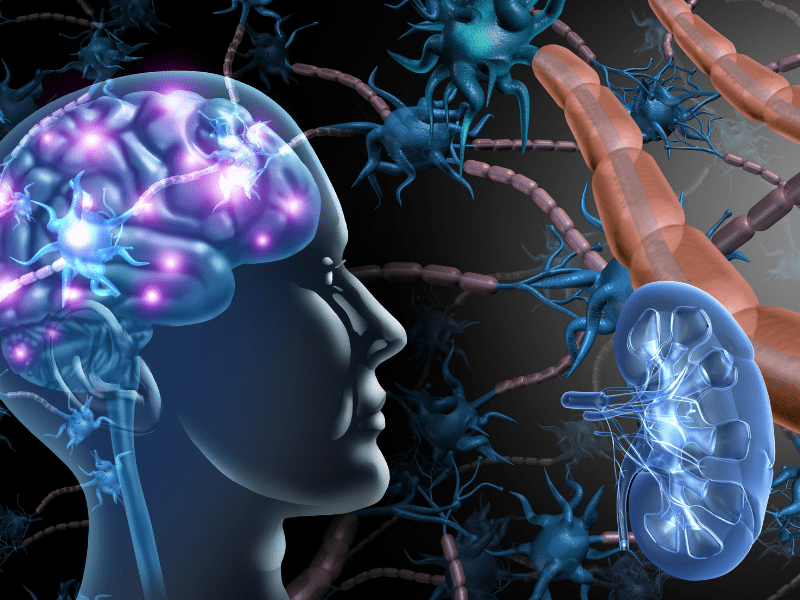
Cold exposure, such as cold showers, has many benefits for kidney patients. It increases endorphins and fights off depression. It improves metabolism and circulation. Most importantly, it stimulates the vagus nerve and improves renal circulation. It may also soothe itchy skin which is common in CKD patients. In addition, cold showers help with post-workout muscle soreness.
The benefits of a cold shower begin when the water temperature dips to 60 degrees Fahrenheit. This is 40 degrees lower than the typical steamy shower. To take a cold shower, start with your usual hot shower, then turn the knob to cold at the end of your shower. Lower the temperature gradually at the end of your shower every day. The benefits start with thirty seconds under the cold water. Maximum benefits are reached in three minutes.
Join us in the fight against kidney disease and receive the FREE Report “5 Pitfalls to Avoid When Caring for Kidney Patients”
Vagus nerve breathing exercises
Deep and slow breathing can activate the parasympathetic system. In fact, deep breathing is one of the best ways to lower stress in the body. It sends messages to the brain to calm down and relax by activating the vagus nerve which helps lower heart rate and blood pressure. There are various ways to perform deep breathing. Here, I will discuss the 4-7-8 breathing technique.
This technique uses belly breathing. It can be performed sitting or lying down as follows:
- Start by putting one hand on the belly and the other one on the chest.
- Take a deep slow breath from the belly while silently counting to 4. The chest should not move.
- Hold the breath while silently counting to 7.
- Breathe out completely while silently counting to 8.
- The process can be repeated 5 to 10 times until feeling relaxed.
Singing, humming, chanting, and gargling
These activities have also been shown to improve heart rate variability and can also activate the vagus nerve because it is connected to the vocal cords. These benefits can be achieved by 10 minutes of singing, humming, chanting, or gargling every day.
Probiotics
The fact that probiotics have been found to support stimulation of the vagus nerve is another piece of evidence for the importance of the gut-brain axis. Healthy microbiota produce short-chain fatty acids, such as butyric acid, which can activate the vagus nerve and send messages from the gut to the brain. It is highly beneficial to get most probiotics through diet. However, if supplements are used, it is recommended to use good quality broad-spectrum probiotics.
Download Your Copy!
Meditation
Meditation has been found to increase vagal tone and positive emotions. Meditation for 10-15 minutes is a great way to start the day, manage stress, and stimulate the vagus nerve. There are many ways to meditate and many types of meditations. Mindfulness meditation is the most tested in kidney patients. It has been demonstrated to improve the quality of life, reduce anxiety and depression, reduce sympathetic overactivity,improve sleep, and improve blood pressure.
To practice mindfulness meditation such as Benson’s relaxation technique, follow these steps:
- Sit in a comfortable position or on a meditation cushion.
- Close your eyes.
- Relax your shoulders and muscles.
- Focus on breathing.
- Say a word with every exhalation. A positive word like “gratitude” can be used. As the mind starts racing, which distracts from the breath, the person returns to the word.
Practicing this every day will improve the experience and compound the benefits with consistency.
Omega-3 fatty acids
Among the many benefits of omega-3 fatty acids are increased vagal activity. The best way to reap the benefits of omega-3 fatty acids is by eating fatty fish twice per week, but if that is not an option due to protein restrictions or dietary choices, supplementation is an option. Other food sources include nuts and seeds such as walnuts and flaxseed. It is important that the supplement contains enough eicosapentaenoic acid (EPA) and docosahexaenoic acid (DHA), which are the most powerful omega-3 fatty acids. The dose is at least 500-1,000 mg of EPA-DHA three times a day.
Exercise
One of the best vagal tone exercises is exercise itself. Exercise is linked to better mental health and stimulation of the vagus nerve. It may be one of the most underutilized yet effective interventions for the prevention and treatment of kidney disease. It has been shown to reduce the risk of CKD, help with blood pressure and glucose control, and improve health-related quality of life. Exercise also induces a positive influence on mental health, mood, and stress levels by stimulating the vagus nerve.
The best type of exercise is the one that you do. What I mean by that is don’t get discouraged by trying to find the perfect type of exercise and do anything that works best for you. Having said that, studies on exercise in CKD have included resistance training and aerobic activities that use large muscle groups continuously such as walking, cycling, and jogging.
High-intensity interval training (HIIT) offers superior benefits in individuals with metabolic diseases such as diabetic kidney disease. Studies of HIIT in CKD have shown that it is a safe and feasible option for individuals with CKD.
Those who are new to exercising should start slowly and gradually get to 20-30 minutes of strenuous exercises 5-6 days a week. It is best to alternate between aerobic exercises and resistance training. For those who are 50 years of age or older, it is important to check with your provider before engaging in strenuous exercises.
Massage therapy
Massage therapy has also been found to be associated with improved vagal tone. The stimulation of pressure receptors leads to an increased vagal activity which, in turn, seems to mediate the diverse benefits of massage therapy. Functional magnetic resonance imaging data suggested that moderate pressure massage was represented in the part of the brain involved in stress and emotion regulation.
Socializing and laughing
Finally, increased social connection and laughing have been linked to increased positive emotions. Increased
positive emotions, in turn, produced increases in vagal tone, which puts the body in a rest and repair state.
The bottom line
Stimulating the vagus nerve can turn on the parasympathetic nervous system, improve renal blood flow, and modulate inflammation in CKD. Improve kidney health using these natural techniques to turn on the vagus nerve and turn off stress: a cold shower, breathing exercises or meditation, singing or humming, probiotics, omega-3 fatty acids, exercise, massage, and social connection. Check out my 1-hour morning routine for kidney health that incorporates many of these techniques.
The post Nine Ways to Naturally Stimulate the Vagus Nerve, Lower Stress, and Promote Kidney Health appeared first on Integrative Kidney.]]>This routine should take no longer than an hour. Your kidneys and health deserve an hour from you every morning. I understand many of us have hectic lives, but if you are busy, try to go to bed early and wake up one hour earlier the next morning. Trust me, it is worth it. An hour morning routine beats dialysis any time. This could be the first step in how to heal your kidneys naturally.

Start with water
At night the body loses a lot of water due to sweat and breathing. In fact, in a small study presented at an Associated Professional Sleep Societies meeting in 2009, healthy young men were found to lose ¼ lbs. per hour while asleep. That is about 2 lbs. in eight hours of sleep.
This is why you should start your day with water. The rest of the routine can be done according to your judgment and comfort. Start with drinking two glasses of filtered water if you are not on any water restrictions. This is even more important for patients with polycystic kidney disease and kidney stones. If you are wondering how much water to drink in PKD, check out our calculator here.
Exercise
Exercise for about 20 minutes. The type and duration of exercise depend on an individual’s level of functioning, endurance, and preference. Studies on exercise in chronic kidney disease (CKD) have included resistance training and aerobic activities that use large muscle groups continuously such as walking, cycling, and jogging.
High-intensity interval training (HIIT) was shown to offer superior benefits in individuals with metabolic disease. In the few studies of HIIT in CKD, it was found to be a safe and feasible option for individuals with CKD.
If you are new to exercising, start slow and try to gradually get to 20 minutes of strenuous exercise five to six days a week. It is best to alternate between aerobic exercise and resistance training. If you absolutely can’t fit exercise into your morning routine, you can move it to whatever time that works for you. The benefits are all the same. Consistency is the key here.
Download Your Copy!
Meditation
Meditate for at least 10 minutes. Meditation is a great way to start your day, manage stress, and stimulate your vagus nerve, which connects the brain with many vital organs including the kidneys. There are many ways to meditate and many types of meditations. Mindfulness meditation is the most tested in kidney patients. It has been shown to improve the quality of life, reduce anxiety and depression, reduce sympathetic overactivity, improve sleep, and improve blood pressure.
To practice mindfulness meditation such as Benson’s relaxation technique, sit in a comfortable position or on a meditation cushion, close your eyes, relax your shoulders and muscles, and focus on your breathing. Say a word with every exhalation. Pick a positive word like “gratitude.” As your mind starts racing to distract you from your breath, try to return to the word you chose. Practicing this every day will make you better at it, and you will be able to reap all the benefits with consistency.
Join us in the fight against kidney disease and receive the FREE Report “5 Pitfalls to Avoid When Caring for Kidney Patients”
Journaling
Journaling is a great way to write your thoughts and plan your day. It has similar benefits to meditation. In fact, journaling was found to reduce stress and depression, boost the immune system, and improve memory among many other benefits. You can write whatever comes to mind. Think of it as a thought download. This should also not take more than 10 minutes.
Meditation and journaling can also be moved to a different time of the day for busy individuals with similar benefits. If you are very busy, consider meditation in the morning and journaling in the evening.
Cold shower
Taking a cold shower has many benefits for kidney patients. It increases endorphins and fights off depression, and it improves metabolism and circulation. Most importantly, it stimulates the vagus nerve and improves renal circulation. It may also soothe itchy skin, which is common in CKD patients. Cold showers help with post-workout muscle soreness. The benefits of a cold shower begin when the water temperature dips to 60 degrees Fahrenheit. This is 40 degrees lower than the typical steamy shower.
Now, I know it will be hard to turn that shower knob from hot to cold in the morning. The way to do it is to start with your hot shower. Then gradually lower the temperature at the end of the shower every day by turning the knob to cold. Give your body time to adjust. You can start with 30 seconds under the cold and gradually increase it to a maximum of three minutes. A quick shower for kidney health takes 10 minutes.
Plant-based breakfast
A good plant-based breakfast can be a super healthy way to start your day. A plant-based or plant-dominant diet has been linked to better kidney health and to slow the progression of kidney disease. There are many options that you can prepare in less than 10 minutes or plan the day before. You can find a few recipes in this e-book.
The bottom line
Your kidneys and health deserve an hour from you every morning. This morning routine can improve kidney health and help slow the progression of early kidney disease. If you’re wondering how to heal kidneys, this routine could serve as the first step, or it could be all you need for heathier kidneys. You can modify it to fit your schedule so that you’re at least doing some of the suggested morning actions every day. If you’ve been wondering how to improve kidney function, this morning routine is an important step in the right direction.
The post How To Improve Kidney Function with a Morning Routine appeared first on Integrative Kidney.]]>
Altered vitamin K biodistribution may decrease the benefit of vitamin K2 supplementation in advance CKD
In this study, investigators sought to determine if there are other causes for vitamin K deficiency in advanced CKD beyond decreased dietary intake. They compared vitamin K uptake and distribution into circulating lipoproteins after a single administration of vitamin K1 plus K2 (MK-4 and MK-7) between patients on dialysis and healthy individuals.
They found that patients with uremia and advanced kidney disease don’t incorporate MK-7 well into HDL and LDL particles compared to healthy individuals. In addition, the combination of a statin and PPI was associated with signs of functional vitamin K2 deficiency in these patients.
In essence, patients with advanced kidney disease may not benefit as well from vitamin K2 supplementation. This highlights the importance of optimizing vitamin K2 status at earlier stages in CKD.
Join us in the fight against kidney disease and receive the FREE Report “5 Pitfalls to Avoid When Caring for Kidney Patients”
Higher levels of deoxycholic acid were associated with a higher risk of progression in CKD
Deoxycholic acid is one of the secondary bile acids, which are metabolic byproducts of intestinal bacteria. Intestinal bacteria metabolize the primary bile acid, cholic acid, into deoxycholic acid (DCA).
Researchers studied 3,147 CRIC study participants who had fasting DCA levels. DCA levels above the median were independently associated with higher risks of ESKD and all-cause mortality.
This study highlights the importance of the microbiome and dysbiosis in the progression of kidney disease as we discussed in our blog.
Download Your Copy!
The higher number of medications a kidney patient takes the faster her kidney disease progresses
In a study performed in Japan of 1117 CKD patients under nephrological care, the use of a higher number of medications was associated with an increased risk of kidney failure, cardiovascular events, and all-cause mortality in patients with CKD. This is one of the major reasons we advocate for lifestyle modifications and coaching as the first and major step in the management of kidney disease.
Subscribe here to receive FREE monthly update on the latest research in Integrative Nephrology straight to your inbox.
We would love to hear your feedback. Let us know what you think of these educational materials and if you like us to focus on certain topics. Email us at info@inkidney.com
The post December Research and News appeared first on Integrative Kidney.]]>

Lifestyle modifications do indeed prevent CKD and delay its progression
This study is coming from Japan. Researchers found that two years of healthy lifestyle choices prevent against the development of kidney disease and protein in the urine. Lifestyle modifications also slowed the decline in kidney function.
They studied 451,534 people (277,494 men and 174,040 women) aged 20–79 years. Healthy lifestyle choices in this study were defined as: 1. No smoking 2. Healthy eating habits, and 3. Low BMI
Now, we all know that there is more to lifestyle modifications than this but this is definitely a start.
Is Urea by itself toxic?
The authors in this study published in NDT definitely think so. They noted that the accumulation of uremic toxins is a risk factor for mortality and accelerated atherogenesis in patients with CKD. The researchers found that a post-translational protein modification called carbamylation is a predictor of CKD progression. They also noted that urea by itself promotes the carbamylation of proteins.
So urea is not just a benign marker and should be classified as a uremic toxin. The level of protein carbamylation may be used as a marker for risk stratification of CKD outcomes.
Download Your Copy!
Magnesium, bones, and kidneys… What?!
This study is coming from the dialysis world. It’s a meta-analysis that examined the effects of magnesium supplementation on chronic kidney disease mineral bone disease (CKD-MBD). As the researchers mentioned, magnesium supplementation in dialysis patients is controversial. However, this study showed that it helps by regulating calcium and parathyroid hormone and it decreases carotid intima-media thickness.
This is in the dialysis population. So paying attention to magnesium balance and supplementation may have a much better role in bone and vascular health in earlier stages of CKD. Optimizing vitamin D, vitamin K2, vitamin A, calcium, phosphorus , and magnesium is very important to improve bone and vascular health in CKD patients.
Subscribe here to receive a monthly update on the latest research in Integrative Nephrology.
The post October Research and News appeared first on Integrative Kidney.]]>
Exercise may be one of the most underutilized yet effective interventions for the prevention and treatment of chronic disease. It has been shown to reduce the risk of complex chronic disease, help with blood pressure and glucose control and improve health-related quality of life. Other benefits of exercise include positive influence on mental health, mood and stress levels, important factors to overall health and wellness. In this blog, we will discuss the benefits of exercise in kidney health.
By Megan Morrison, PharmD
The implications of kidney disease are vast. It is an extremely costly disease, with many people progressing to end stage renal disease (ESRD) requiring dialysis or a kidney transplant, a significant physical and financial burden. Often the disease dramatically reduces an individual’s quality of life, the ability to perform activities of daily living, and independence.
Furthermore, kidney disease is associated with a high symptom burden, cardiovascular disease and increased mortality rates. With the prevalence of chronic kidney disease (CKD) on the rise, along with diabetes and hypertension, it’s imperative that prevention and an integrative medicine approach to kidney health become the norm along with exercise, a modifiable lifestyle factor.
Benefits of exercise in kidney disease
Physical inactivity is associated with a decline in kidney function in CKD. Exercise has the ability to markedly improve numerous health parameters associated with the disease, including:
- Cardiovascular health
- Systemic inflammation
- Muscle mass
- Gut health
- Mortality rate
- Risk factors associated with CKD, including diabetes and high blood pressure.
Exercise improves cardiovascular health and vascular function
Patients with CKD have an increased risk of cardiovascular disease (CVD). In fact, rates are estimated to be 10-20 times higher among ESRD patients than the general population. High blood pressure, the second leading cause of kidney failure in the US after diabetes, is closely related to adverse kidney and cardiovascular outcomes in CKD. This is why reducing blood pressure is imperative.
Benefits of exercise on blood pressure management are well-established. One study in pre-dialysis patients showed reductions in both systolic and diastolic blood pressure in participants who engaged in 1-hour of acute aerobic exercise such as walking. Another study found that 1 hour of supervised, home-based exercise reduced arterial stiffness over 3-months and improved outcomes in pre-dialysis patients.
Exercise positively effects inflammatory markers
Chronic inflammation has detrimental effects on health and is associated with increased cardiovascular events, the leading reason for mortality in CKD. Plasma inflammatory markers have been found to be positively affected by exercise. A study found that a 30-minute bout of exercise increased plasma IL-10 levels and regular walking 5 days a week for 6 months reduced the plasma IL-6:IL-10 ratio favorably. IL-10 is an anti-inflammatory cytokine, while IL-6 is inflammatory. The reduction in the IL-6:IL-10 ratio seen in the regular exercisers reflects a decrease in overall inflammation.
Exercise increases muscle mass
Muscle wasting, which promotes a sedentary lifestyle and increases morbidity and mortality, is another complication associated with CKD. An 8-week resistance training program (3 times a week) for pre-dialysis patients increased muscle mass, with similar findings in dialysis and transplant patients.
Exercise favorably impacts the gut microbiome
In a previous blog post, we discussed the close relationship between the quality of the microbiome and the health of the kidney, known as the gut-kidney axis. Those with a healthy microbiome balance, defined as an abundance of “good” bacteria, and the absence of pathogenic species or overgrowth, are less likely to develop CKD.
One study that compared active women and sedentary controls found that women who performed at least 3 hours of exercise per week had increased levels of beneficial bacteria. Additional studies have shown that exercise increases fecal butyrate concentrations and the relative abundance of butyrate-producing taxa. Butyrate is a short-chain fatty acid produced by bacteria that positively impacts intestinal health by supporting a favorable environment for commensal growth.
Exercise significantly reduces mortality rate in ESRD
ESRD is associated with considerable morbidity and mortality. A study of dialysis patients found that those who regularly exercised (2-5 times per week) had significantly lower all-cause and cardiovascular mortality rates than less active peers.
Type and Duration of Exercise
The type and duration of exercise depends on an individual’s level of functioning, endurance, and preference. Studies on exercise in CKD have included resistance training and aerobic activities that use large muscle groups continuously such as walking, cycling, and jogging. High-intensity interval training (HIIT), which has gained popularity in recent years, has shown to offer superior benefits in individuals with metabolic disease. In the few studies of HIIT in CKD, HIIT was found to be a safe and feasible option for individuals with CKD, including those undergoing hemodialysis. Regardless of type, duration, or intensity, regular exercise is beneficial in CKD patients.
Considerations & Contraindications
Individuals with CKD should consult their healthcare provider before beginning any type of new exercise routine. Certain subgroups of the CKD population need special considerations including those with known or suspected cardiac disease and dialysis patients.
It’s important to note that patients with kidney disease have identified certain barriers to exercise which include fear of injury or aggravating their condition, poor physical condition as a result of both co-morbid conditions and CKD-related symptoms, a lack of guidance from health professionals, and a lack of facilities and social support. Exercise facilities are less defined and less accessible to the CKD population in comparison to services provided for cardiac and pulmonary patients, resulting in fewer opportunities to develop peer support groups, which can significantly effect exercise adherence. It is our responsibility as integrative clinicians to discuss exercise with patients and include physical therapists and trainers in our protocols for management of CKD.
The Bottom Line
The majority of risk factors for CKD are related to lifestyle factors or conditions related to lifestyle disease. Exercise is an intervention that has the ability to positively impact a large number of those risk factors. Integrative and Functional Medicine prioritizes the vital role that physical activity plays in overall health and wellbeing, including exercise as part of the holistic therapeutic plan. There are benefits to any level of exercise, it’s important to guide patients to choose activities that are safe, meet them where they are, are appropriate to their level of physical activity, and are enjoyable.
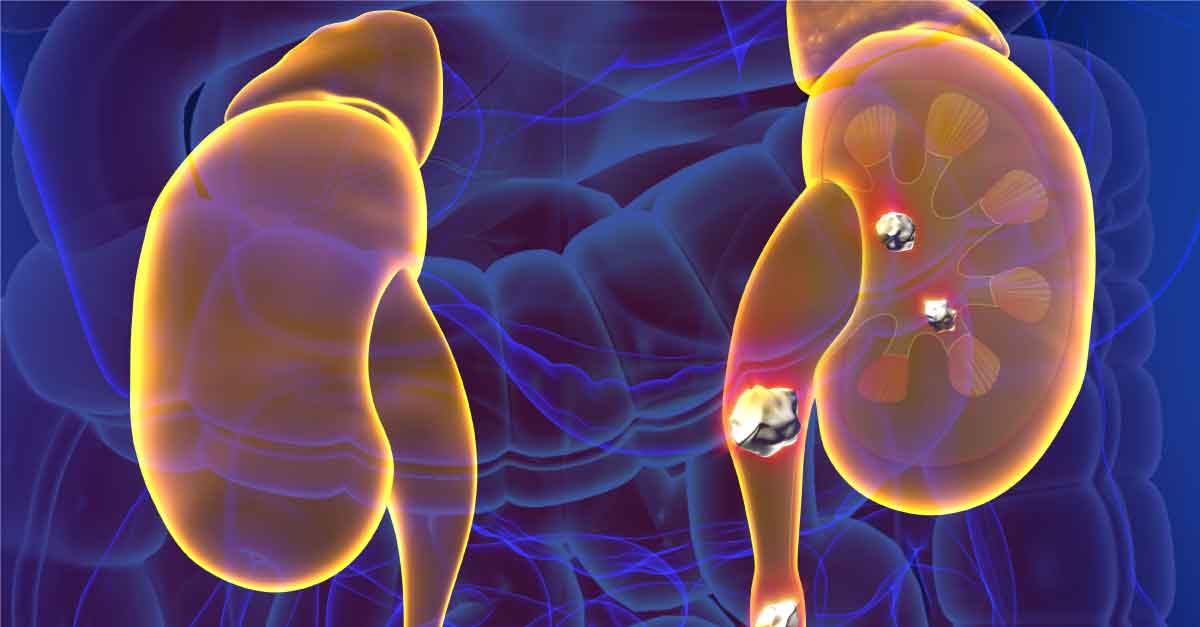
The post The Many Benefits of Exercise for CKD appeared first on Integrative Kidney.]]>Kidney stone formation (urolithiasis) is a complex disease influenced by multiple factors including diet, genetics, and environment. They are painful, inconvenient, and when left untreated, they may contribute to more serious conditions including obstruction and kidney damage.
By Lara Zakaria, PharmD, CNS, CDN, IFMCP
Read more about the etiology and prevalence of kidney stones here.
In this series we’re building a case for a more integrative approach to preventing kidney stone formation.
Conventionally, the treatment approach does address kidney stones via a multi-pronged approach that may include medication, dietary and lifestyle, surgical removal, and using ultrasonic waves to break up stone.
However, these guidelines tend to focus too far downstream, on stone composition instead of on the underlying pathology upstream. Instead, we advocate for a more comprehensive approach that focuses on risk factors to prevent formation. Those factors include:
· Type of stone
· Socioeconomic factors
· Diet
· Hydration and electrolyte balance
· Microbiome and gut health
· Genetics
We covered individual dietary components in detail in a previous blog. Today we’ll look at the gut-kidney stone connection and the impact of the microbiome.
Gut Integrity and Kidney Stones: Leaky Gut
A normal and healthy GI tract has a natural barrier. This barrier serves to protect the GI and has three major jobs: 1. ensure proper digestion and absorption of nutrients and 2. ensure elimination of toxins and 3. protect the integrity of the microbiome – the “good” bacteria that lives in our GI tract and works with our body to maintain health.
Leaky gut describes a state when the cells that make up the lining of the GI tract separate enough to allow the contents of the gut to leak out. This is also sometimes called intestinal permeability or IP for short. This is a problem because it reduces absorption of nutrients, causes toxins to build up, alters the balance of the gut microbiome, and results in systemic inflammation.
One of the major contributors to leaky gut is the standard American diet (SAD), which seems to increase risk of kidney stone formation. When we use the term SAD, we are generally referring to a diet that includes:
· Consumption of sugary beverages and soda (and high carbohydrate consumption in general)
· Increased intake of processed/refined foods like cereals, crackers, baked goods, etc…
· Processed, fried, conventionally raised, high-nitrate animal protein
· Low intake of fiber and fresh produce in general
· A “beige” diet (low in phytonutrients and antioxidants) from consuming a variety of colorful fruits and vegetables
· Inadequate amounts of healthy, anti-inflammatory fats, and high amounts of refined unhealthy fats
We have already established that eating more fresh produce, is protective from kidney stone formation, and we’ve done a deeper dive on specific nutrition impact on kidney stone risk in another blog if you’d like to learn more.
There are several factors that may contribute to development of leaky gut:
· “Proinflammatory” SAD: too much processed and high-sugar foods, not enough fiber and the wrong inflammatory fats
· Food sensitivities: consuming food that are cause reactivity
· Overconsumption of caffeine and alcohol – irritants to gut lining
· Use of certain medications, including NSIADs, steroids, antibiotics
· Stress and poor-quality sleep
We address risk factors for intestinal permeability in more detail in a previous blog here, as well as dive into a comprehensive gut restoration strategy here in this 5-part series.
The Microbiome and Kidney Stones
Balance of the gut bacteria also play an important role in causing or preventing kidney stones. The most studied organism is Oxalobacter formigenes, which has been found to be protective when present in adequate quantities as part of the GI microflora. This bacterium degrades oxalate in the gut decreasing its absorption and excretion in the urine.
When Oxalobacter was discovered, scientists thought they had pinpointed the key to curing kidney stones. They concluded that simply supplementing this missing species should reduce risk of stone formation in susceptible individuals. It would turn out that the connection wasn’t that simple.
More recent evidence points to a more complex picture in the connection between microbiome diversity and kidney stone pathology. The emerging research shows increased risk in kidney stone formation in certain susceptible individuals also presented with alterations in normal microbiome and metabolome (metabolic byproducts from microflora) – also termed dysbiosis.
In other words, it’s likely that genetic factors might be “turned on” by dysbiosis leading to increased risk of kidney stone formation in certain individuals. The good news is that means they should be “turned off” when the microbiome balance is restored.
Studies that looked at the use of targeted probiotics have failed to show enough significant improvement of risk of urolithiasis. Although there’s been some limited and temporary reduction in oxalate excretion and kidney stone formation with the use of a combination of Lactobacillus, Bifidobacterium, Enterococcus, it’s been shown to be temporary and limited in benefit. This is because dysbiosis cannot be addressed by simply applying a band aid of a probiotic.
We recommend instead a more comprehensive approach to gut restoration and microbiome balance. You can read more about the 5R protocol in our comprehensive 5-part series on gut restoration.
The Bottom Line
Although initial findings about the impact of the microflora that looked at Oxalobacter in isolation have not demonstrated significance in reducing incidence of kidney stone formation, more recent evidence pointing to an interplay of factors on microbiome diversity is promising. Furthermore, factors that impact kidney stone formation include dietary factors, including food quality, nutrient composition, and dehydration. Along with environmental factors, lifestyle, genetics, and gut integrity and microbiome balance should be addressed through a comprehensive and personalized approach. Practitioners working with individuals to prevent kidney stone formation should formulate a patient care plan that modifies all relevant components in their integrative approach to maximize effectiveness in preventing urolithiasis.
The post The Microbiome and Kidney Stone Formation appeared first on Integrative Kidney.]]>By Lara Zakaria, PharmD, CNS, CDN, IFMCP
The Gut-Kidney Connection
Recent studies have focused on the significance of a relationship between gastrointestinal (GI) integrity and microbiome diversity with various chronic diseases including kidney disease.
In previous blogs, we discussed the impact of exposure to food and environmental triggers that impact the gut lining (or mucosa)integrity and microbiome balance leading to intestinal permeability (IP or “leaky gut”). The impact of leaky gut on kidney health and progression of chronic kidney disease (CKD) has been referred to as the gut-kidney connection is the result of complex biochemical and immune mechanisms.

A comprehensive approach to CKD includes addressing the health of the GI at the root of it. Furthermore, this means not simply supplementing with probiotics, but instead addressing all the mechanisms that underlie probiotic need. This includes modification of microbiota balance, integrity of the mucosa and epithelium of the GI tract, improving GI motility, absorption and digestion, and modulation of the immune system.
Below we will explore the fifth step, Rebalance. But first, let’s quickly review the first four steps of the comprehensive gut restoration protocol. A reminder that the 5R Protocol addresses leaky gut as a foundational approach to reduce the risk of progression of CKD.
The 5 steps of the 5R protocol for healing leaky gut are:
1) Remove potential triggers, including polypharmacy, pathogenic organisms, food intolerances, sensitivities and allergies, or toxic exposure.
2) Replace digestive aid to support improved nutrient absorption and metabolism, including digestive enzymes, or agents that promote improved motility and regular bowel movements.
3) Reinoculate provide an environment where good bacteria can thrive and where bad ones cannot.
4) Repair support of the cellular repair process through the above, as well as by providing specific nutritional support for the regeneration of the GI protective barrier.
5) Rebalance lifestyle factors that influence the gut bacteria such as stress, sleep, exercise and relationships and assure ongoing gut health.
Rebalance
The goal of the fifth step is maintenance and prevention of recurrence of IP or leaky gut. There are various factors that lead to IP that involve dietary and lifestyle influences*, including:
· Standard American Diet (SAD) which is low in fiber, high in processed foods, and highly inflammatory
· Poor eating habits (for example, multitasking and not chewing adequately)
· Inadequate hydration and/or electrolyte imbalance
· Motility issues leading to constipation or unfavorable formation/frequency of stool
· Stress and poor sleep
· Not enough exercise
To reduce risk of CKD, we must work towards improving diet and lifestyle habits that support continued GI health.
*Read more about medications that impact gut health and ultimately increase risk for KD progression here.
Where to start?
Address lifestyle factors that impact gut health
Long term dietary goals focus on a plant-based diet that is high in fiber and a wide range of key nutrients. Organic sources of animal protein can beneficial when eaten in moderation. However, the key is to load up on naturally antiinflammatory, low carbohydrate vegetables to maximize vitamins, minerals, phytonutrients and, of course, fiber. Reduce intake of starchy vegetables and eat more**:
· Dark leafy greens (like spinach, arugula, and romaine)
· Cruciferous veggies (like broccoli, cauliflower, and kale)
· Fresh whole fruit (preferably lower sugar berries and avocados, and limit to two servings per day)
· Some colorful starchy veggies can be OK (for example, carrots, sweet potatoes, beets, and squashes)
Those veggies listed above promote a healthy microbiome and improve alkalinity associated with improved kidney health. In addition to those sources of prebiotic fiber, include probiotic sources like fermented vegetables and drinks like raw sauerkraut, kimchi, pickles, apple cider vinegar, and kombucha. It’s recommended these are eaten raw because pasteurization process will destroy the bacterial content of these foods.
In general, reduce processed carbs, like bread, cereals, and high sugar foods, desserts and pastries. These types of foods are usually low in fiber and nutrients and help contribute to starving of beneficial gut bacteria. Furthermore,high carb diets have been associated with increased risk of cardiovascular (CV) disease and diabetes. Instead, moderately consume whole grains like brown rice, quinoa, oatmeal, and legumes**.
Include antiinflammatory fats focusing primarily on omega 3 sources from fish, nuts, seeds, and mono- and polyunsaturated (MUFA and PUFA) like avocados and olive oil. Even though the topic of saturated fats is more controversial, recent evidence suggest that moderate intake of certain saturated fats like that found in beef, organ meat, or ghee (clarified butter) derived from grass-fed cows and virgin coconut oil might have health benefits. Everyone agrees, however, that trans fats(aka hydrogenated oils and artificial products like margarine) or excessive intake of processed and fried fats contributes to inflammation and increased risk of disease.
Ensuring adequate hydration, drinking at least half your body weight (pounds) in ounces of water, not only helps to maintain good kidney health, it also helps support daily regular bowel movements.
It’s well established that regular exercise can be beneficial for many reasons, including improved blood pressure, blood sugar, hypertension, stress relief, and even improved digestion and GI motility. In fact, exercise has been associated with improved microbiome balance as well as beneficial modulation of the immune system.
Poor sleep quality and stress are also deeply tied to many underlying factors impacting of GI health. Reduced sleep duration and quality has been associated with increased inflammatory markers (including TNF, IL-1, and IL-6) associated with GI disease like GERD and Irritable Bowel Disease/Syndrome (IBD/IBS) disrupting digestion and nutrient absorption. Furthermore, sleep has been shown to affect kidney health directly and indirectly, including associated risk of CV disease, diabetes, obesity, and hypertension(read more about the relationship between sleep and kidney health here).
**NOTE: Due to individual variations and progress of disease, work with a nutritionist to assess if you need to maintain any specific restrictions due to your unique case and needs.
The role of supplements
Because of the unique needs of kidney disease patients, many need to rely on supplements to help obtain adequate amounts of key nutrients to maintain GI and kidney health.
This may include GI and motility support including but not limited to digestive enzymes, bitters, probiotics, and magnesium citrate and triphala for motility). Furthermore certain individuals may benefit from supplementation of certain vitamins and important minerals, high potency antioxidants, and/or support of certain key underlying cellular mechanisms impacting mitochondrial health, detoxification and nitric oxide production.
That said, many factors must be taken into consideration when choosing appropriate supplements for each patient. Supplement quality and contamination are a common concern, as are potential interactions with medication or contraindications in certain commonly associated chronic disease. We suggest working under the care and guidance of a practitioner or team of providers who are trained in integrative and functional medicine and understand the unique needs of kidney patients.
Next steps
Unfortunately, addressing gut health is only the beginning. As mentioned above, kidney disease is often associated with multiple chronic diseases including CV disease, diabetes, high blood pressure, and obesity.
The comprehensive approach to kidney care means addressing the underlying causes of this constellation of diseases which is best accomplished by a Functional Medicine approach. The goal is to identify and then rebalance the biochemical and pathophysiological dysfunction at the root of chronic disease, we can stop the progression of kidney damage and preserve kidney function.
Bottom Line
In the final step in the 5R individualized gut restoration protocol, we Rebalance the foundational factors that impact the gut-kidney axis.
Although this might be the last step in the 5R protocol, within the broader context of kidney disease, it might signal the transition to a comprehensive therapeutic protocol that includes management of the underlying dysfunction associated with related conditions such as CV disease, diabetes, obesity, and hypertension.
Working with an integrative or functional medicine provider is essential to help you navigate the comprehensive program successfully, but can help you stabilize blood sugar, lower blood pressure, lose weight, and reduce the risk of CV and ultimately, KD.
More from InKidney on the gut-kidney connection:
· Comprehensive Gut Restoration Protocol https://old.inkidney.com/2019/07/05/comprehensive-gut-restoration-protocol-ckd/
· Feeding Gut Bacteria in Kidney Disease https://old.inkidney.com/2019/02/20/feeding-gut-bacteria-patients-kidney-disease/
· Kidney-Gut Axis: Nutrition can slow the progress of kidney disease https://old.inkidney.com/2018/09/20/kidney-gut-axis-nutrition-slow-kidney-disease/
· Inflammation, Leaky Gut And Kidney Disease https://old.inkidney.com/2018/10/05/inflammation-leaky-gut-kidney-disease/
· Leaky Gut And Kidney Disease: 6 Classes Of Medication That Might Be Contributing https://old.inkidney.com/2018/10/05/leaky-gut-kidney-disease-medications/
The post The 5R Protocol Part 5: Rebalance appeared first on Integrative Kidney.]]>