
The following addons cannot be used, because your plan has expired. To renew your subscription, please visit our website.

Majd Isreb, Author at Integrative Kidney - Page 4

Author Archives: Integrative Kidney

August research and news

August Research and News

Serum Biomarkers of Iron Stores Are Associated with Increased Risk of All-Cause Mortality and Cardiovascular Events in CKD Patients, with or without Anemia Studies in patients with heart failure with similar iron deficiency pathogenesis found that treating iron deficiency improves cardiovascular outcomes, regardless of anemia. In this study, researches evaluated a possible anemia-independent association of iron stores with…
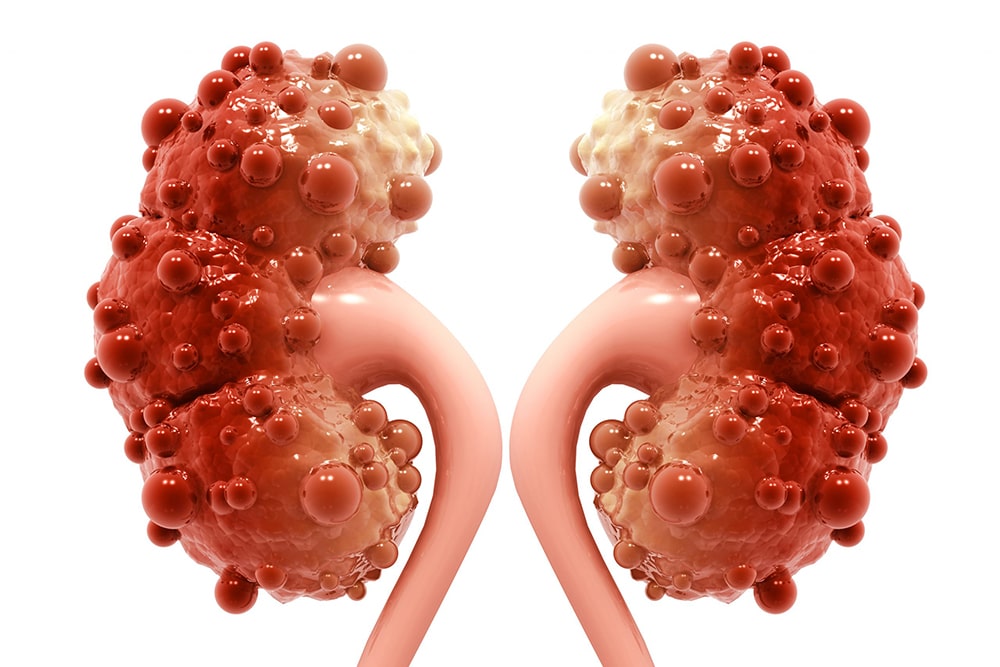
picture of polycystic kidneys

Diet and Lifestyle Modifications in PKD

– 2021 Update Polycystic kidney disease (PKD) is the most common inherited kidney disease affecting one in 800 people. There have been several advances in our understanding of PKD since our last blog. In a previous blog, we discussed the genetics of PKD and how genetic variants translate into a disease. In this blog, we will…

July research and news

July Research and News

Lead Levels In Drinking Water That Are Permissible By The EPA May Be Harmful To Patients With Kidney Disease “Lead levels in drinking water that are permissible by the Environmental Protection Agency (EPA) may be harmful to patients with kidney disease,” researchers concluded in a study revealing that “in about 600,000 people who started dialysis…

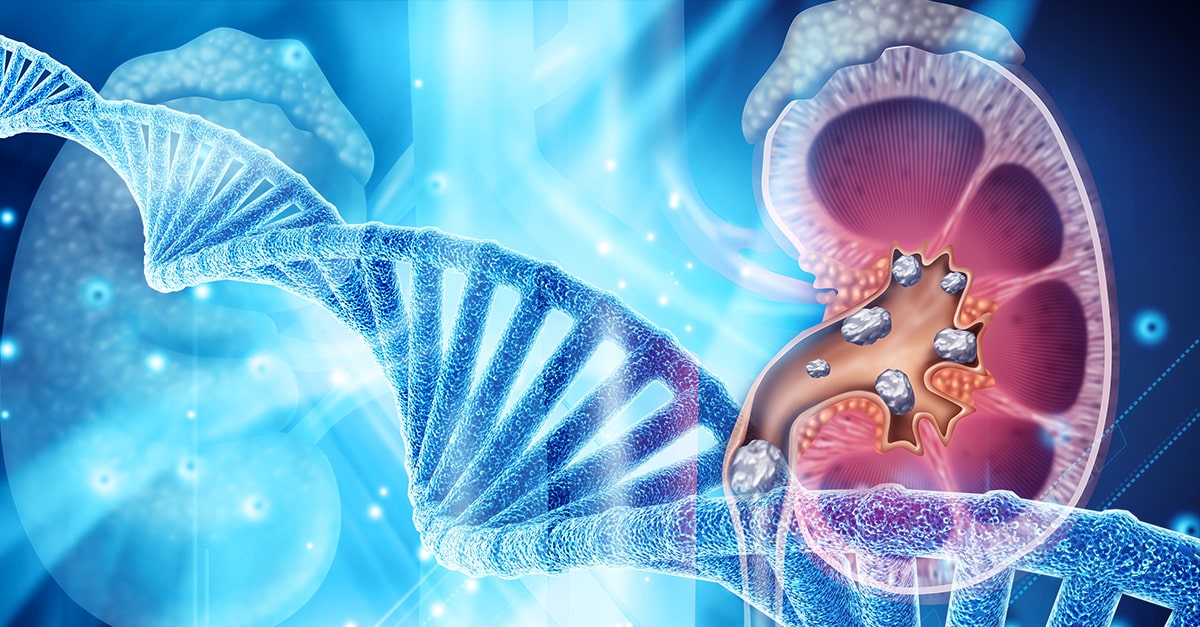
Picture of DNA with background of Polycystic kidney

Polycystic Kidney Disease Genetics

Polycystic kidney disease (PKD) is the most common inherited kidney disease affecting one in 800 people. It is passed down from parent to child over generations, through classic Mendelian genetics. There have been several advances in our understanding of PKD since our last blog. This blog will discuss the genetics of PKD. In the next…

june-research-news

June Research and News

The Role of Dietary Fiber Supplementation in Regulating Uremic Toxins in Patients With Chronic Kidney Disease: A Meta-Analysis of Randomized Controlled Trials Gut-derived uremic toxins, including indoxyl sulfate (IS) and p-cresyl sulfate (PCS), are waste products that accumulate in the body due to decreased clearance by the failing kidneys. These accumulated uremic toxins are a…

genetics of kidney stones

Genetics of the Gut-Kidney Connection in Kidney Stones – Beyond the Microbiome

Kidney stone formation is a complex disorder influenced by multiple factors including diet, genetics, and environment, as reviewed in our earlier blogs. Kidney stones are painful, inconvenient, and when left untreated, they may contribute to more serious conditions including obstruction and kidney damage. The gut also plays an important role in kidney health and is…

stress kidney

Stress and kidney health

Chronic kidney disease (CKD) is rapidly becoming a global health problem. The prevalence of CKD remains high and the incidence of end stage kidney disease or kidney failure continues to rise. According to the Centers for Disease Control and Prevention (CDC), more than 1 in 7 US adults are estimated to have kidney disease. Many…

clinical-genetic-testing

Clinical Utility of Genetic Testing for Kidney Transplant Evaluation

Genetic testing for patients with kidney disease can have a remarkable impact on their care. In this blog, we will focus on the clinical utility of genetic testing for kidney transplant evaluation.

Glass of water

May Research and News

Sex-specific Associations of Sex Hormone Binding Globulin with CKD and Kidney Function: A Univariable and Multivariable Mendelian Randomization Study in the UK Biobank Do sex hormones play any role in the progression of kidney disease? It has been long observed that CKD is more prevalent in women; however, the progression of CKD is much faster…

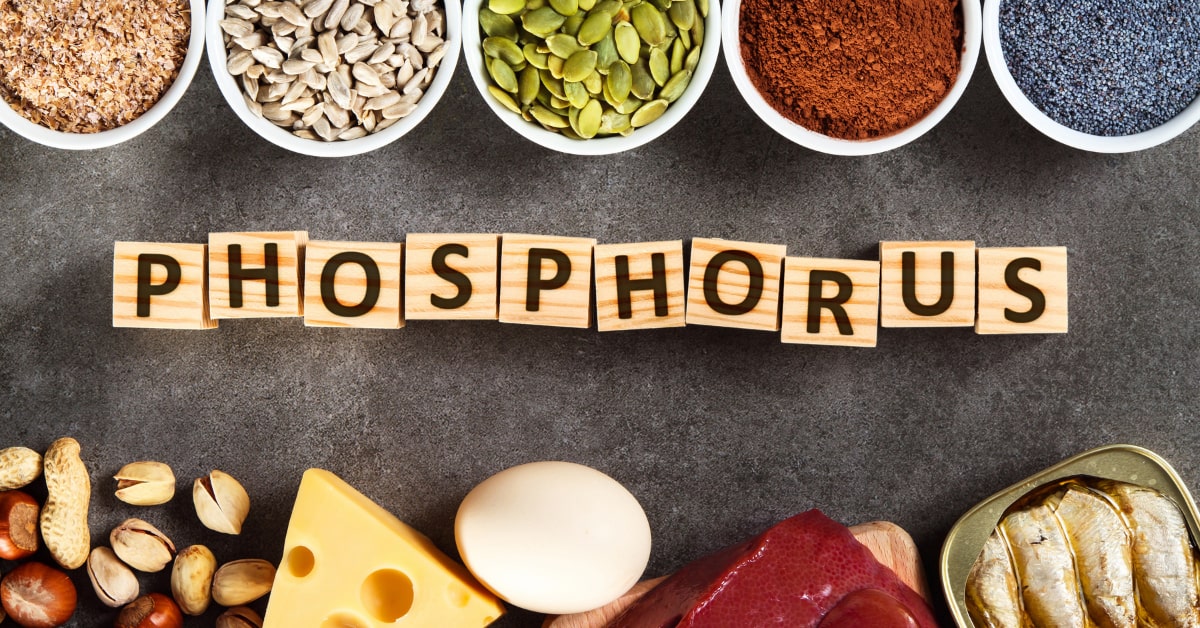
phosphorus

Dietary Phosphorus and Kidney Health

One of the most harmful nutrients to the kidney is phosphate.  Yet, the body needs phosphate for many essential biological functions. In this blog, I will discuss and clarify the role of dietary phosphate in kidney health. I will use the term phosphorus instead of phosphate for ease.