
Often referred to as vitamin Q, Coenzyme Q10 (CoQ10) is a fat-soluble nutrient involved in making energy. It is also known as ubiquinone and has a significant antioxidative function. The structure of CoQ10 is similar to that of vitamin K. We discussed the benefits of CoQ10 for kidney disease in a previous blog. People with…

Category Archives: Nutrition
Chronic kidney disease (CKD) is a worldwide epidemic. Patients with CKD have a high rate of cardiovascular disease, protein-energy wasting, and mortality. Most of those factors have been linked to inflammation, and low-grade inflammation has been shown to be an integral aspect of chronic kidney disease. In this blog, I will discuss the role of…
Mentioning a plant-based recipe or a plant food to chronic kidney disease patients often leads to worries about their oxalate contents. The worry focuses on the potential effects of high-oxalate foods on the kidneys or the risk for kidney stones. However, there is a lot of misinformation about dietary oxalate and kidney disease. In this…
Oxidative stress may be one of the worst threats to kidney health. Selenium is an essential micronutrient that plays a significant role in protecting the body from oxidative stress. Selenium is also important for thyroid hormone metabolism, it reduces the risk of certain cancers, and it is protective against heart disease. In this blog, I…
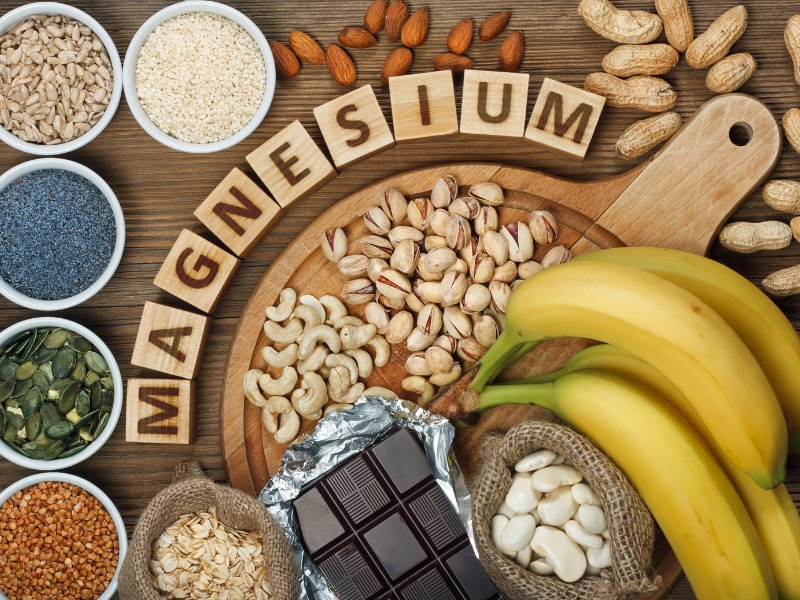
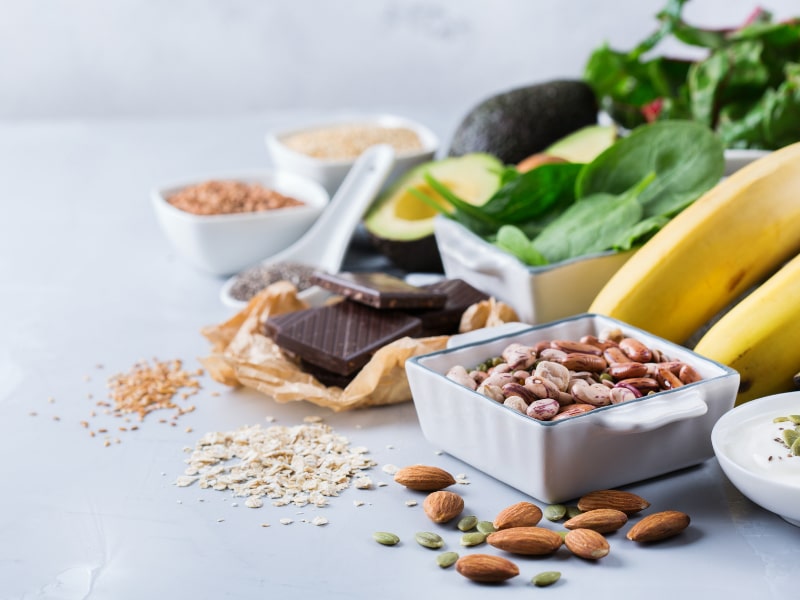
In part one of this article, “Magnesium and Kidneys,” I discussed the increased prevalence of magnesium deficiency and addressed the question: “Can magnesium help kidney function?” Magnesium is the fourth most abundant mineral in the body. It is essential for many biological functions. As I discussed in part one, magnesium is also crucial for kidney…
Magnesium (Mg) is one of the most important minerals in the body. It plays an essential role as a cofactor for more than 300 critical enzymatic reactions. Unfortunately, dietary magnesium intake in developed countries has decreased over the past decades due to the increased consumption of low-magnesium diets that include processed foods and produce cultivated…
People with chronic kidney disease (CKD) commonly suffer from disorders of bone and mineral metabolism. Since nutritional imbalances are also common in CKD, it is likely one major contributing factor, among others. Optimizing vitamins and nutrients for bone health is therefore an important goal when managing people with CKD and bone disease. The interaction between…
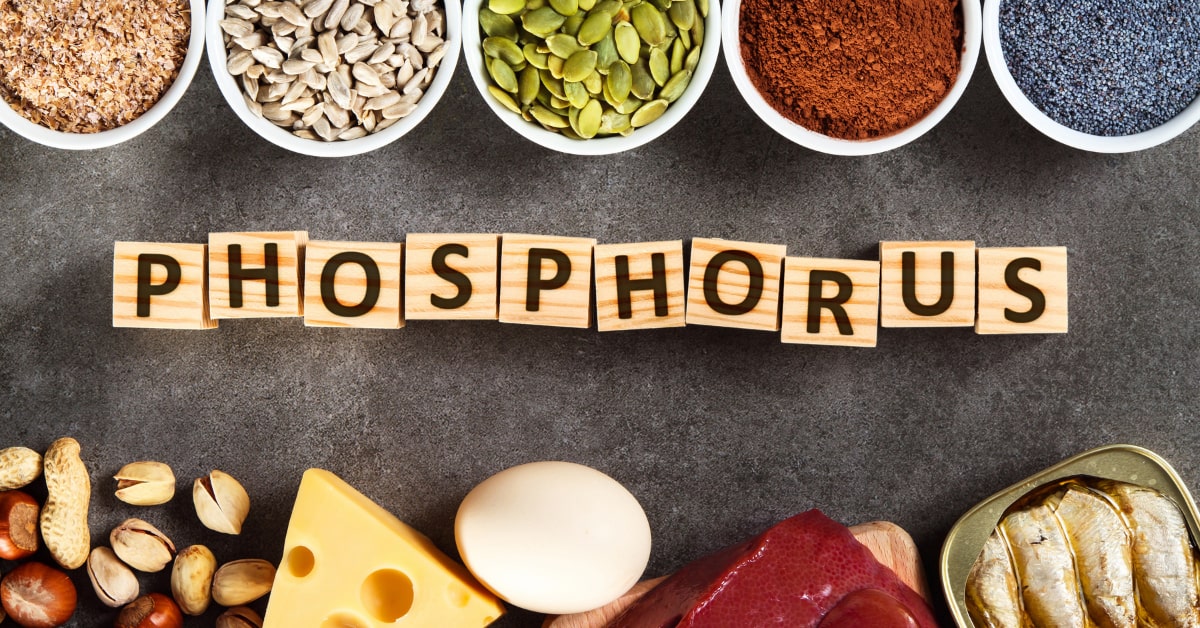
One of the most harmful nutrients to the kidney is phosphate. Yet, the body needs phosphate for many essential biological functions. In this blog, I will discuss and clarify the role of dietary phosphate in kidney health. I will use the term phosphorus instead of phosphate for ease.
High intake of animal protein has been associated with an accelerated decline in kidney function and increased protein being spilled in the urine. However, there is a generalized fear of recommending a very low protein diet to patients with kidney disease. There is concern this diet may provoke malnutrition especially because poor nutritional status could…
To understand the relevance of ketoacid analogues in chronic kidney disease, one need to learn the biochemistry of amino acids (AA) metabolism. This blog will attempt to describe it in short. Excess AA in a protein-rich diet is metabolized through a process called transamination. This involves the removal of the nitrogen (or the amino group…