The following addons cannot be used, because your plan has expired. To renew your subscription, please visit our website.

Nutrition — Integrative Kidney - Page 2

Category Archives: Nutrition

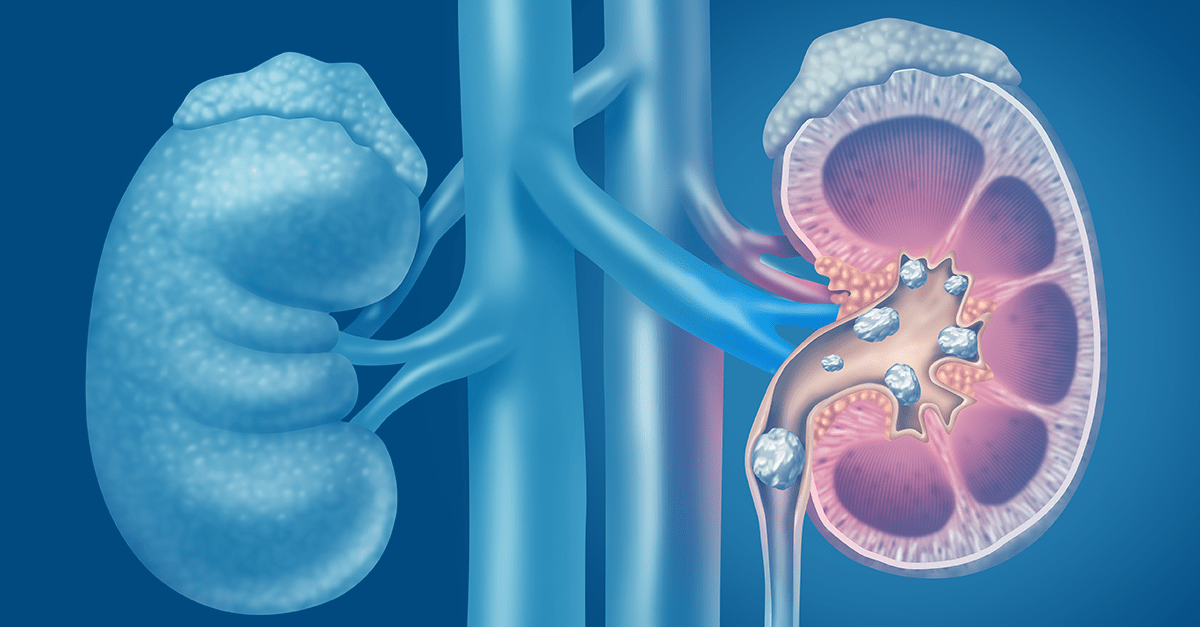
genetics of kidney stones

Electrolyte Imbalances and Kidney Stone Formation

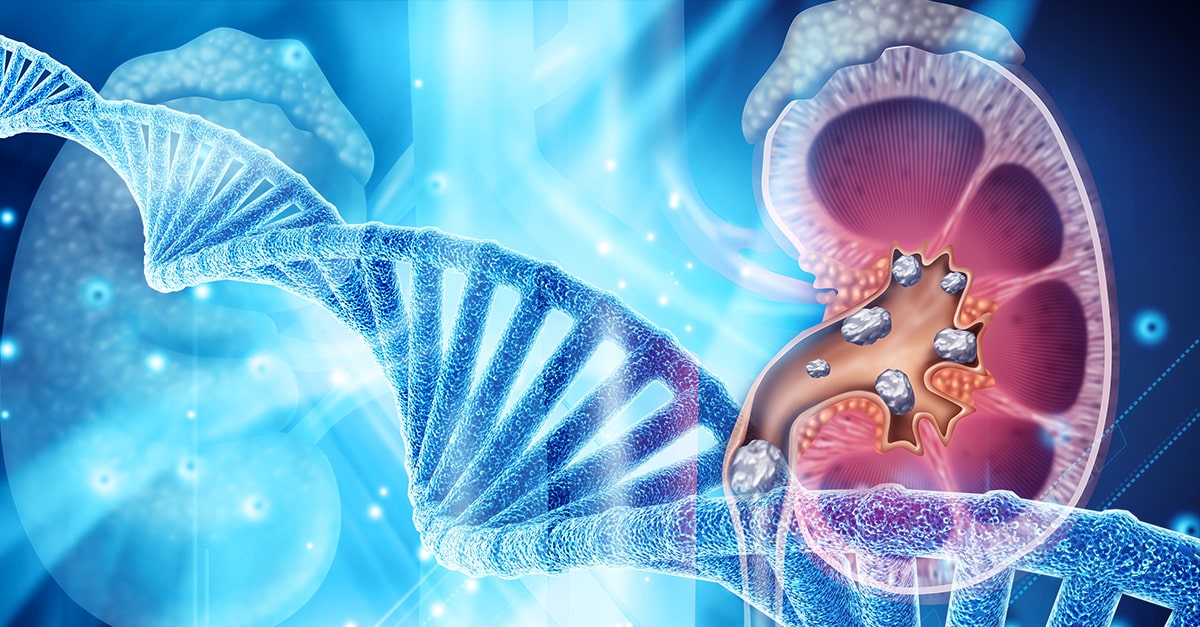
The formation of kidney stones is complex, with influence from multiple factors including genetic and environment. Stones can be costly. Not only can they be painful, if left unaddressed, more serious conditions can arise such as obstruction and permanent damage to the kidneys. In this blog we focus on electrolyte imbalances and kidney stone formation. As…
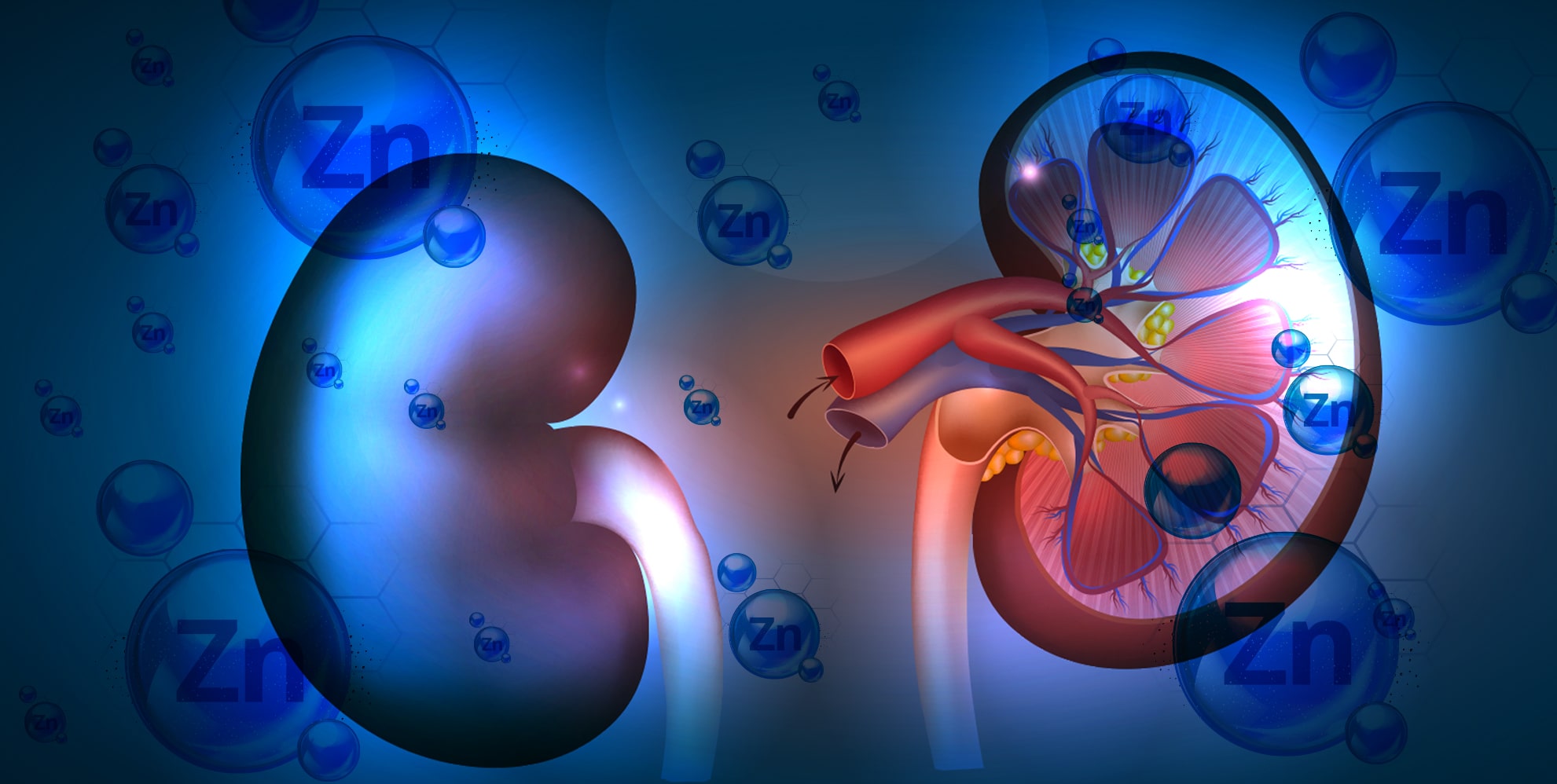
Zinc molecules surrounding kidneys

Zinc and Kidney Disease, Exploring the Links

Zinc has been studied for years for its implications in kidney disease. In fact, many researchers have pointed to zinc deficiency as one of the underlying causes of the worsening of kidney disease. We can explore even more upstream and understand some of the factors that result in zinc deficiency in the first place. So…

dietary approach to kidney stone

Dietary Approach to Kidney Stone Prevention

This blog is part of a series discussing our integrative approach to kidney stone prevention and management. In this blog we will discuss the dietary approach to kidney stone prevention. By Lara Zakaria, PharmD, CNS, CDN, IFMCP Kidney stone formation (also called urolithiasis or nephrolithiasis) is a complex disease influenced by multiple factors including diet, genetics, and…

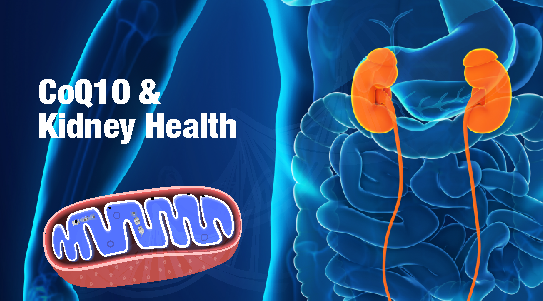
CoQ10 and kidney health

CoQ10 and Kidney Health

Coenzyme Q10 (CoQ10), also known as ubiquinone, is an often forgotten about fat-soluble nutrient and key factor in optimizing kidney health. It can be made by our own cells when there are adequate resources, however it is also available through diet and as a supplement. In this blog we will discuss the association between CoQ10…

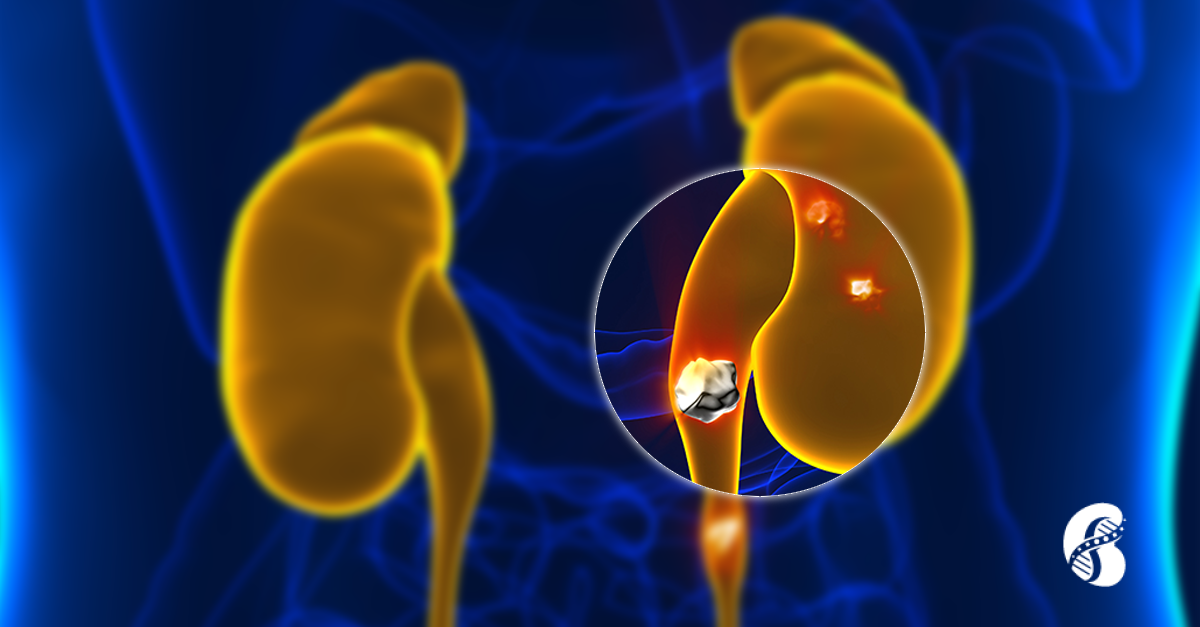
Image of a kidney stone obstructing the ureter to demonstrate the integrative approach to kidney stones

Kidney Stones: The Integrative Approach to Prevention and Management

This blog is the first in a series discussing our integrative approach to kidney stones prevention and management. Kidney stone, also called nephrolithiasis or urolithiasis, is a complex disease influenced by multiple factors including genetic and environmental factors. Stones are often painful, and left unaddressed can lead to more serious conditions such as obstruction of…

Vitamin K picture

Vitamin K in Vascular, Kidney and bone Health

Vitamin D gets a lot of attention these days, not only for its roll in bone health, but also due to the multiple health benefits associated with robust levels of circulating vitamin D, specially in kidney disease. However, the role of vitamin K working in tandem with vitamin D often gets overlooked. This blog will focus…

Food that contain vitamin D

Vitamin D and Kidney Health

Kidney disease (KD) is associated with changes in bone health and mineral balance. Vitamin D is a fat-soluble vitamin that is essential for life and is crucial for calcium balance and bone health. The kidneys are central in the activation of vitamin D and play a key role in regulating circulating levels. Vitamin D as…

Gut Kidney connection

Feeding Gut Bacteria in Patients with Kidney Disease

Our gut is home to 100 trillion beneficial bacteria and what we eat has a tremendous impact on their composition. These bacteria interact constantly with the lining of the gut and their health is important for the maintenance of a healthy gut barrier as well as our overall health specially in patients with kidney disease….

Age and kidney health

The Age-Related Kidney Decline: Role of Nitric Oxide and Arginine

In the early 1950’s, researchers declared that age-related kidney decline reduced function at a rate of about 8% every 10 years after the age of 40. More recently, it was noted that the decline may begin as early as 20 years old. Each of us are born with a specific number of nephrons, the functional…

Animal proteins

The Case Against Animal Protein for Kidney Disease

In December of 2012 the international guidelines for the management of chronic kidney disease (also known as KDIGO) stated that restricting protein intake in patients with kidney disease remains controversial. Interestingly, a low-protein diet was suggested as an approach for treatment of kidney disease as early as 1869. It was thought that lowering protein intake…