
In the early 1950’s, researchers declared that age-related kidney decline reduced function at a rate of about 8% every 10 years after the age of 40. More recently, it was noted that the decline may begin as early as 20 years old. Each of us are born with a specific number of nephrons, the functional…
Author Archives: Integrative Kidney
Immunoglobulin A (IgA) nephropathy is a prime example of the interplay of genetics, epigenetics, leaky gut, environment and diet affects and influence the development of kidney disease. What is IgA? Immunoglobulins are a large protein structure that is part of the adaptive immune system. There are various types, categorized by a letter and sometimes a…
On a busy weeknight, takeout and fast food are easy dinner solutions. But your family’s favorite to-go meal may come with a side of toxic fluorinated chemicals. These are called polyfluoroalkyl substances (PFAS) and they are a family of greaseproof, waterproof and non-stick industrial compounds. They are used in hundreds of consumer products, including ones…
This is a beginning of a series of blogs that explores the emerging view regarding the genetic risk of kidney disease. Consider this series your crash course in epigenetics! But before we dive in, let’s start with a refresher on genetics. By Lara Zakaria, PharmD, CNS, CDN, IFMCP You may remember from your high school…
This blog is the beginning of a series of blogs about the risk factors for kidney disease. In this first blog, let’s start with talking about the functional kidney mass at birth and itsconnection of future kidney health. The development of the human kidney is generally completed by the 36th week of pregnancy in the…
In December of 2012 the international guidelines for the management of chronic kidney disease (also known as KDIGO) stated that restricting protein intake in patients with kidney disease remains controversial. Interestingly, a low-protein diet was suggested as an approach for treatment of kidney disease as early as 1869. It was thought that lowering protein intake…
Researchers have found exciting links between diet, lifestyle, and the risk for kidney disease (KD). The most significant relationship is between the health of the gastrointestinal (GI) tract and the risk of KD. This relationship is referred to as the gut-kidney axis. Various factors, including diet and exposure to toxins, can compromise the integrity of the…
Prescriptions and over-the-counter medications can be used safely and effectively to help treat a long list of problems. However, they may also have side effects that contribute to a “leaky gut” which may increase the risk of kidney disease, as well as other chronic diseases. In this blog, we will discuss leaky gut and medications….
The human gut is home to a significant number of bacteria that are essential for good health. In fact, in recent years, scientists have found a link between these bacteria and the risk of diabetes, heart disease, dementia, depression, and chronic kidney disease. Here we will discuss what is described as the gut-kidney axis. By…
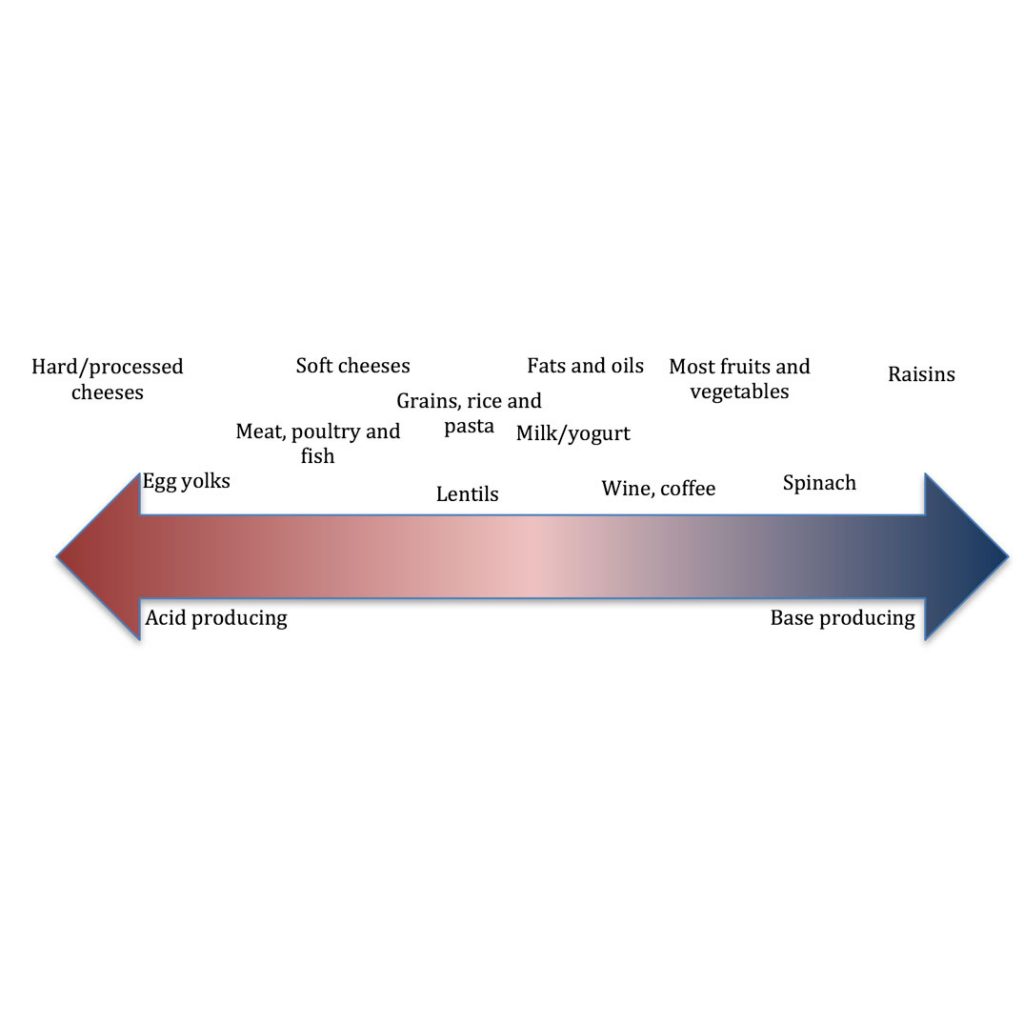
In this blog we will discuss the role of dietary acid load on the progression of chronic kidney disease. But before we start let us talk about about blood acidity and how it is linked to our diet and how the body maintain it. Blood acidity is strictly regulated in our body by intricate mechanisms…