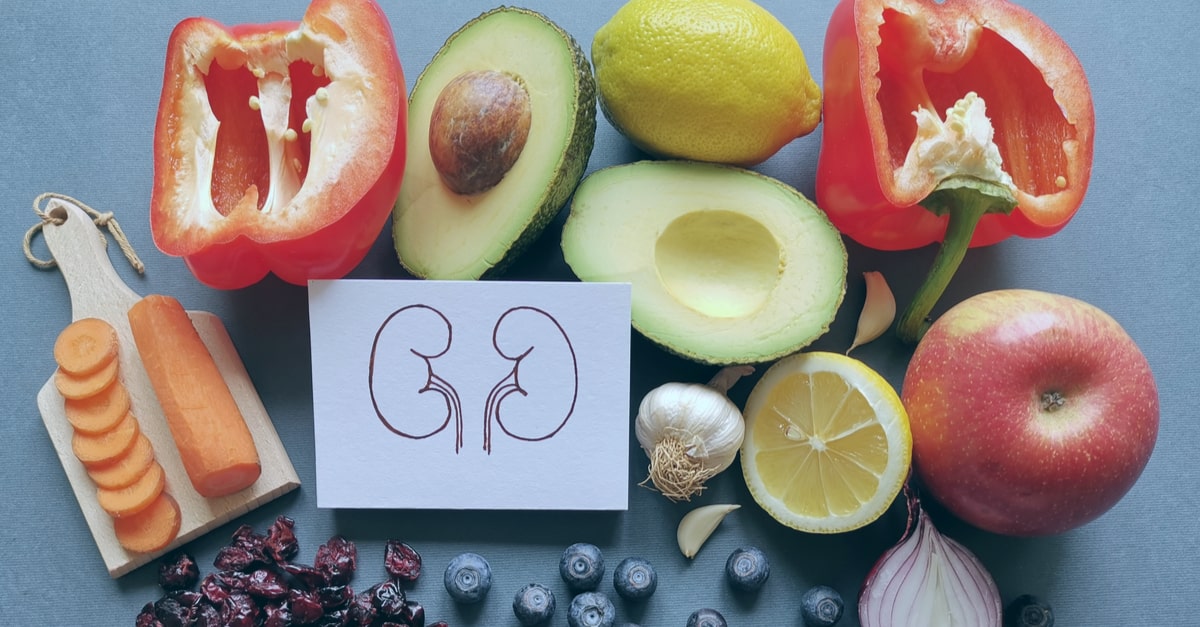
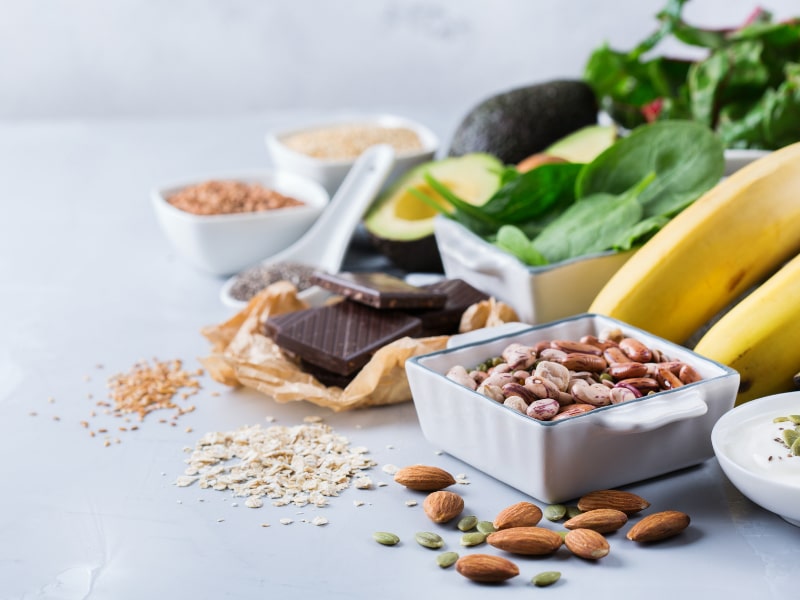
Magnesium (Mg) is one of the most important minerals in the body. It plays an essential role as a cofactor for more than 300 critical enzymatic reactions. Unfortunately, dietary magnesium intake in developed countries has decreased over the past decades due to the increased consumption of low-magnesium diets that include processed foods and produce cultivated…

Tag Archives: best for kidneys
We combed through multiple medical journals looking for the latest research on the Integrative approach to kidney health. We know your time is valuable so we curated and summarized these studies for you. Welcome to the November edition of InKidney Research and News. Is phosphorus toxic to the kidneys? In this detailed study, researchers found that excessive intake of phosphate…
We combed through multiple medical journals looking for the latest research on the Integrative approach to kidney health. We know your time is valuable so we curated and summarized these studies for you. Welcome to Inkidney October Research and News. Lifestyle modifications do indeed prevent CKD and delay its progression This study is coming from Japan. Researchers…
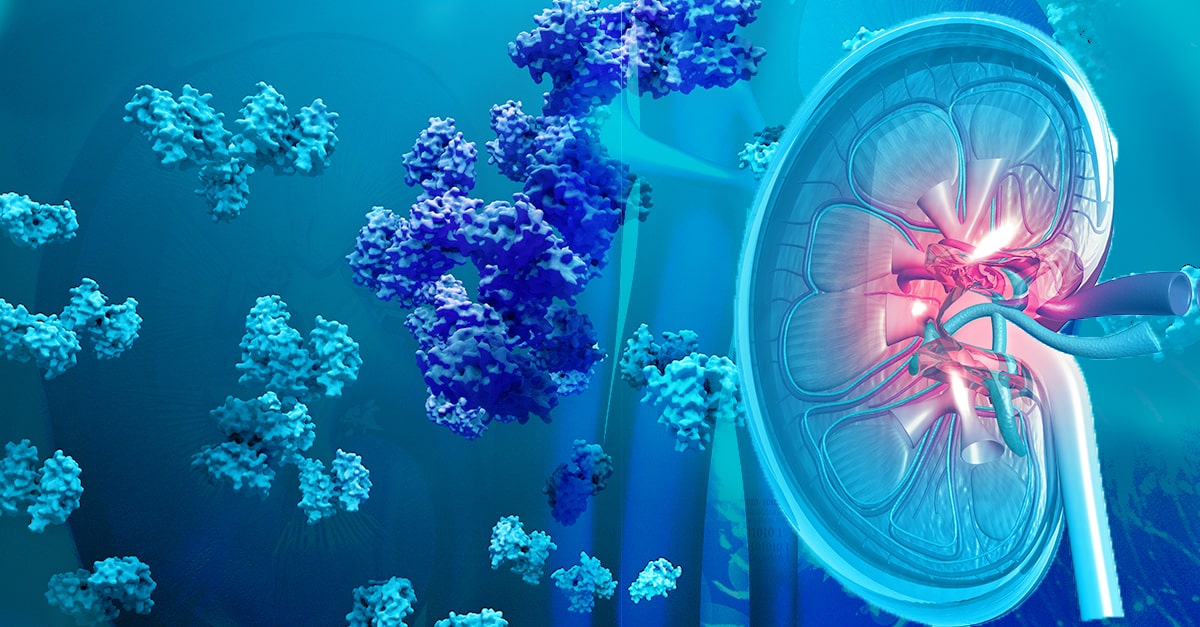
The Role of Dietary Fiber Supplementation in Regulating Uremic Toxins in Patients With Chronic Kidney Disease: A Meta-Analysis of Randomized Controlled Trials Gut-derived uremic toxins, including indoxyl sulfate (IS) and p-cresyl sulfate (PCS), are waste products that accumulate in the body due to decreased clearance by the failing kidneys. These accumulated uremic toxins are a…
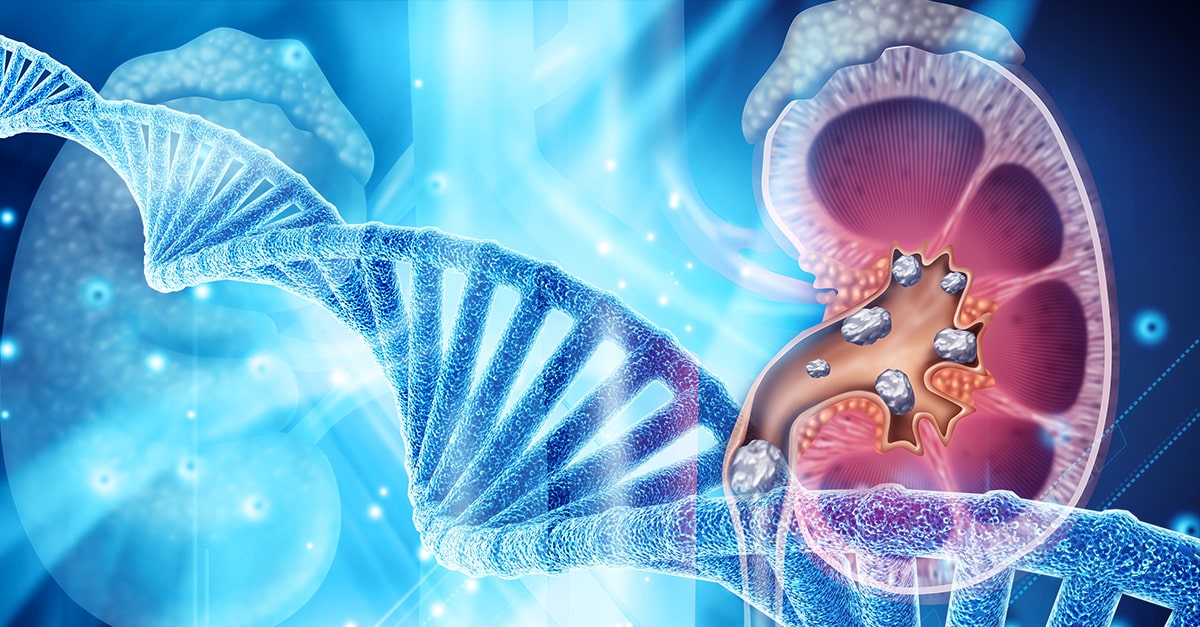
Genetic testing for patients with kidney disease can have a remarkable impact on their care. In this blog, we will focus on the clinical utility of genetic testing for kidney transplant evaluation.
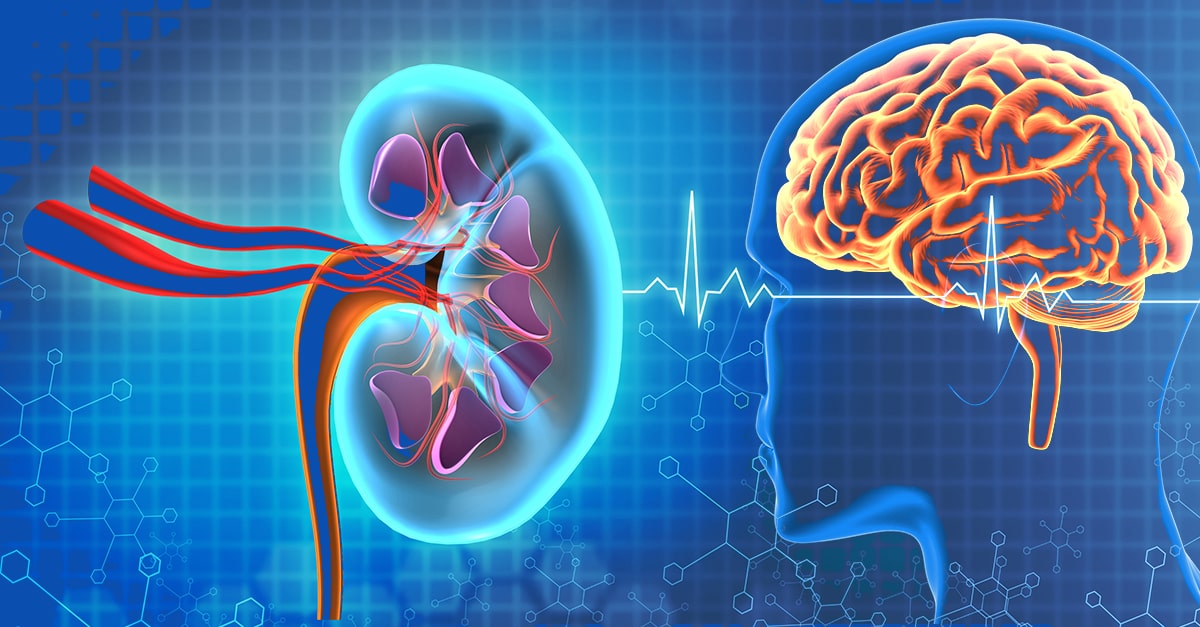
In this blog we discuss the challenges of adopting lifestyle modifications for kidney health and provide tips to help with successful implementation.
In this blog, we talk about some of the basics of physiology and psychology to understand how the brain can implement lifestyle changes.
To understand the relevance of ketoacid analogues in chronic kidney disease, one need to learn the biochemistry of amino acids (AA) metabolism. This blog will attempt to describe it in short. Excess AA in a protein-rich diet is metabolized through a process called transamination. This involves the removal of the nitrogen (or the amino group…
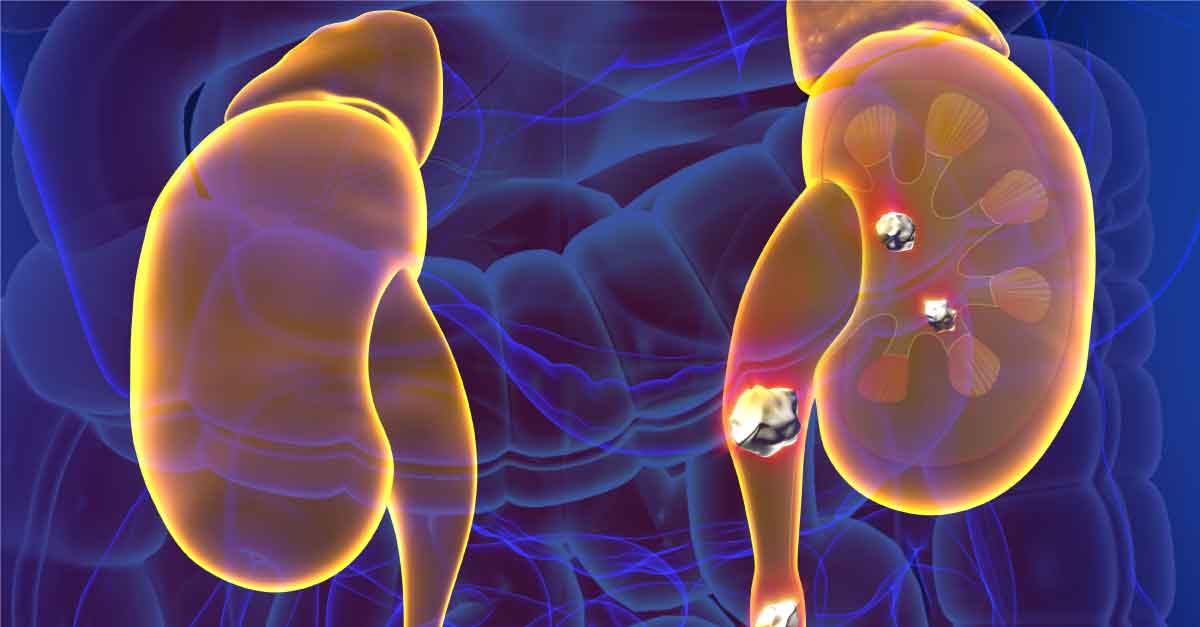
The formation of kidney stones is complex, with influence from multiple factors including genetic and environment. Stones can be costly. Not only can they be painful, if left unaddressed, more serious conditions can arise such as obstruction and permanent damage to the kidneys. In this blog we focus on electrolyte imbalances and kidney stone formation. As…
This blog is part of a series discussing our integrative approach to kidney stone prevention and management. In this blog we will focus on the microbiome and kidney stone formation. Kidney stone formation (urolithiasis) is a complex disease influenced by multiple factors including diet, genetics, and environment. They are painful, inconvenient, and when left untreated,…