18
Dec
Dec
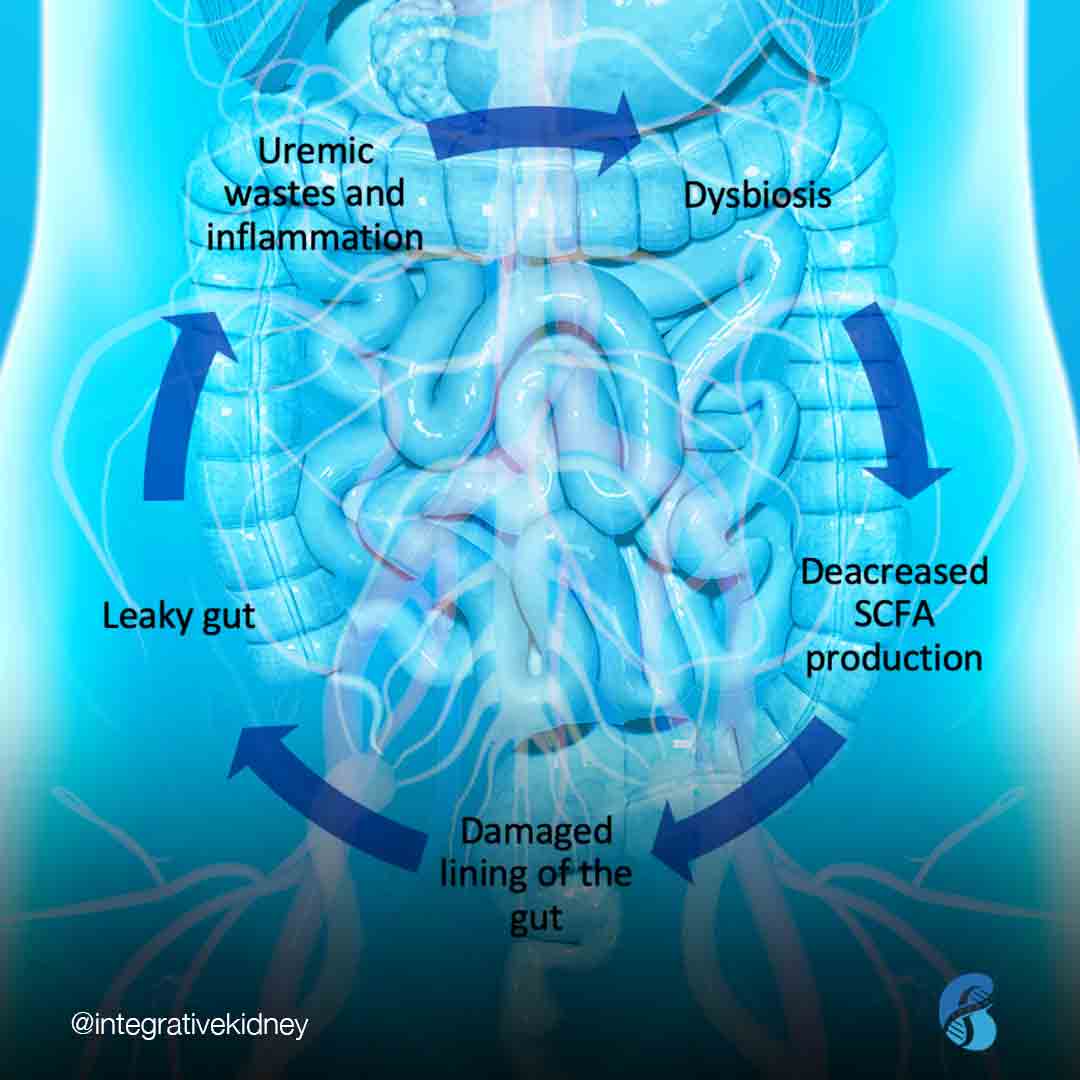
Chronic kidney disease (CKD) is associated with accumulation of waste products. These uremic toxins come from multiple sources
The following addons cannot be used, because your plan has expired. To renew your subscription, please visit our website.

Chronic kidney disease (CKD) is associated with accumulation of waste products. These uremic toxins come from multiple sources
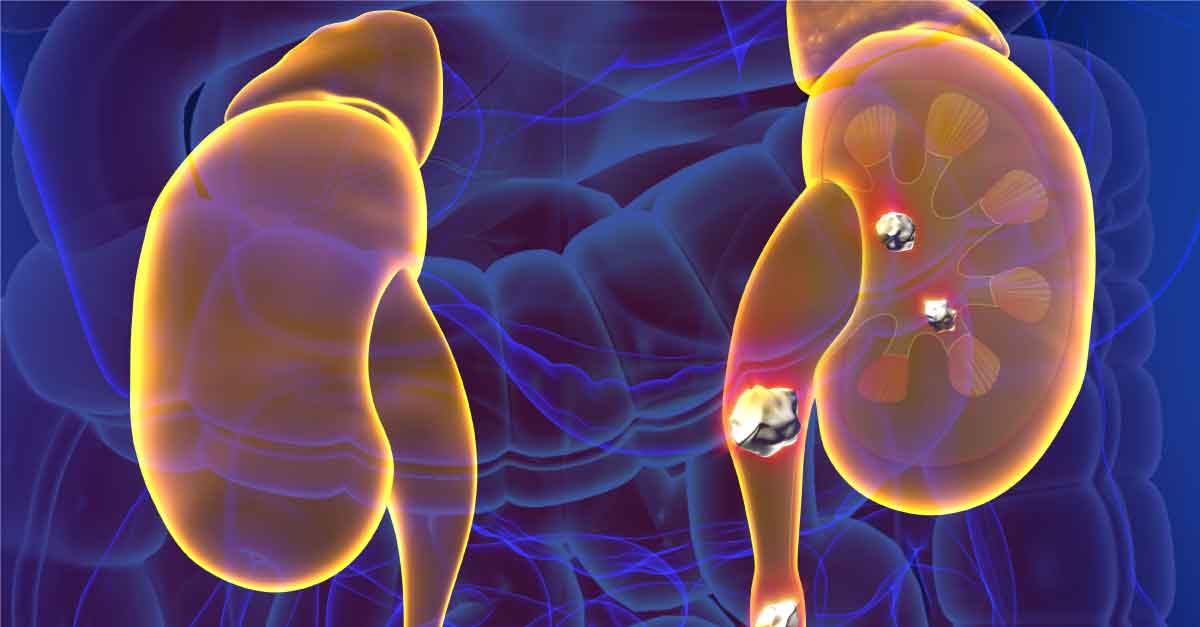
This blog is part of a series discussing our integrative approach to kidney stone prevention and management. In this blog we will focus on the microbiome and kidney stone formation. Kidney stone formation (urolithiasis) is a complex disease influenced by multiple factors including diet, genetics, and environment. They are painful, inconvenient, and when left untreated,…
Zinc has been studied for years for its implications in kidney disease. In fact, many researchers have pointed to zinc deficiency as one of the underlying causes of the worsening of kidney disease. We can explore even more upstream and understand some of the factors that result in zinc deficiency in the first place. So…
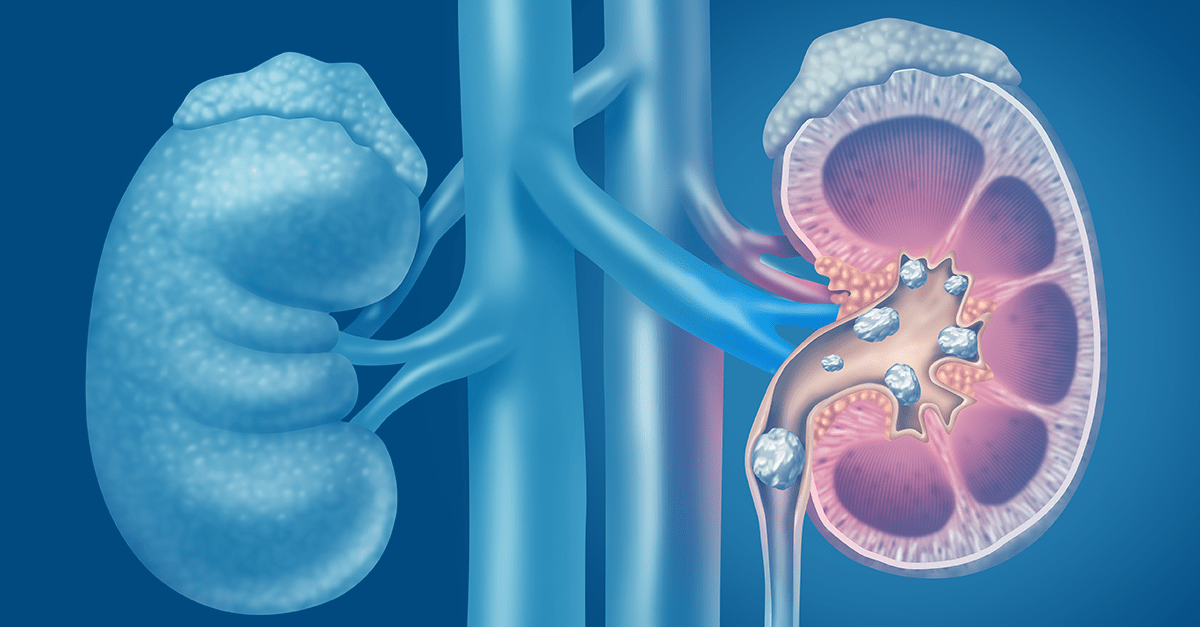
This blog is part of a series discussing our integrative approach to kidney stone prevention and management. In this blog we will discuss the dietary approach to kidney stone prevention. By Lara Zakaria, PharmD, CNS, CDN, IFMCP Kidney stone formation (also called urolithiasis or nephrolithiasis) is a complex disease influenced by multiple factors including diet, genetics, and…

When a large number of young agricultural workers in Central America started developing kidney failure without any known risk factors in the nineties, many kidney organizations around the world started sounding the alarm bells. Scientists have been looking for reasons for this in the past two decades. Initially the connection between climate change on kidney…
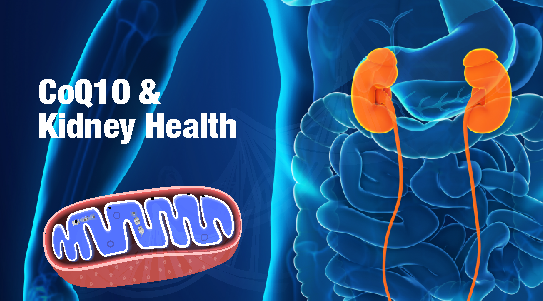
Coenzyme Q10 (CoQ10), also known as ubiquinone, is an often forgotten about fat-soluble nutrient and key factor in optimizing kidney health. It can be made by our own cells when there are adequate resources, however it is also available through diet and as a supplement. In this blog we will discuss the association between CoQ10…
This is part of a series of blogs discussing an individualized comprehensive gut restoration protocol in chronic kidney disease. The Gut-Kidney Connection Researchers have established a relationship between gut integrity and microbiome diversity with various chronic diseases, including kidney disease. Increased intestinal permeability, also known colloquially as “leaky gut” has been shown to be at the root…
Micronutrients (vitamins and minerals) are essential for every structure and function in the human body, including but not limited to the function of the heart, blood vessels, and immune system. Thousands of enzymes in the body require micronutrients for optimal function. Some medications interact with micronutrients, and micronutrients may interfere with the action of medication….
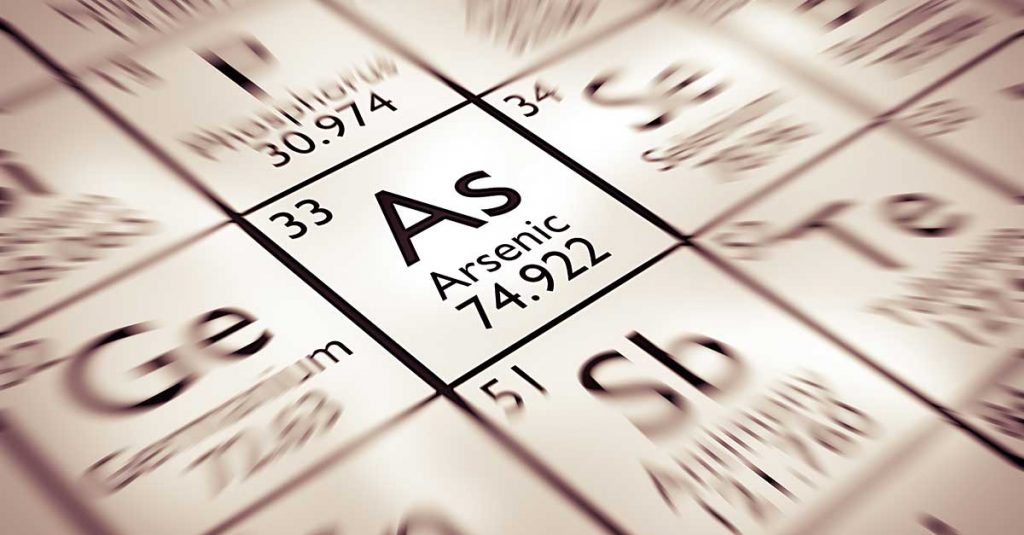
You might be surprised to learn that arsenic is micromineral naturally found in our food and in the soil. However, in higher amounts arsenic is a toxic heavy metal. Even though arsenic poisoning is lethal, it’s important to realize that lower level chronic exposure to arsenic can negatively impact kidney health. By Majd Isreb, MD,…

Kidney disease (KD) is associated with changes in bone health and mineral balance. Vitamin D is a fat-soluble vitamin that is essential for life and is crucial for calcium balance and bone health. The kidneys are central in the activation of vitamin D and play a key role in regulating circulating levels. Vitamin D as…