To understand the relevance of ketoacid analogues in chronic kidney disease, one need to learn the biochemistry of amino acids (AA) metabolism. This blog will attempt to describe it in short. Excess AA in a protein-rich diet is metabolized through a process called transamination. This involves the removal of the nitrogen (or the amino group…
Tag Archives: ckd
Zinc has been studied for years for its implications in kidney disease. In fact, many researchers have pointed to zinc deficiency as one of the underlying causes of the worsening of kidney disease. We can explore even more upstream and understand some of the factors that result in zinc deficiency in the first place. So…
This is part of a series of blogs discussing an individualized comprehensive gut restoration protocol in chronic kidney disease. Here, we talk about the final step: Gut rebalance and kidney health. By Lara Zakaria, PharmD, CNS, CDN, IFMCP The Gut-Kidney Connection Recent studies have focused on the significance of a relationship between gastrointestinal (GI) integrity…
This is part of a series of blogs discussing an individualized comprehensive gut restoration protocol in chronic kidney disease. In this blog, we will talk about gut repair and kidney health. By Lara Zakaria, PharmD, CNS, CDN, IFMCP The Gut-Kidney Connection The gut-kidney axis refers to the relationship between gut integrity and microbiome diversity with…
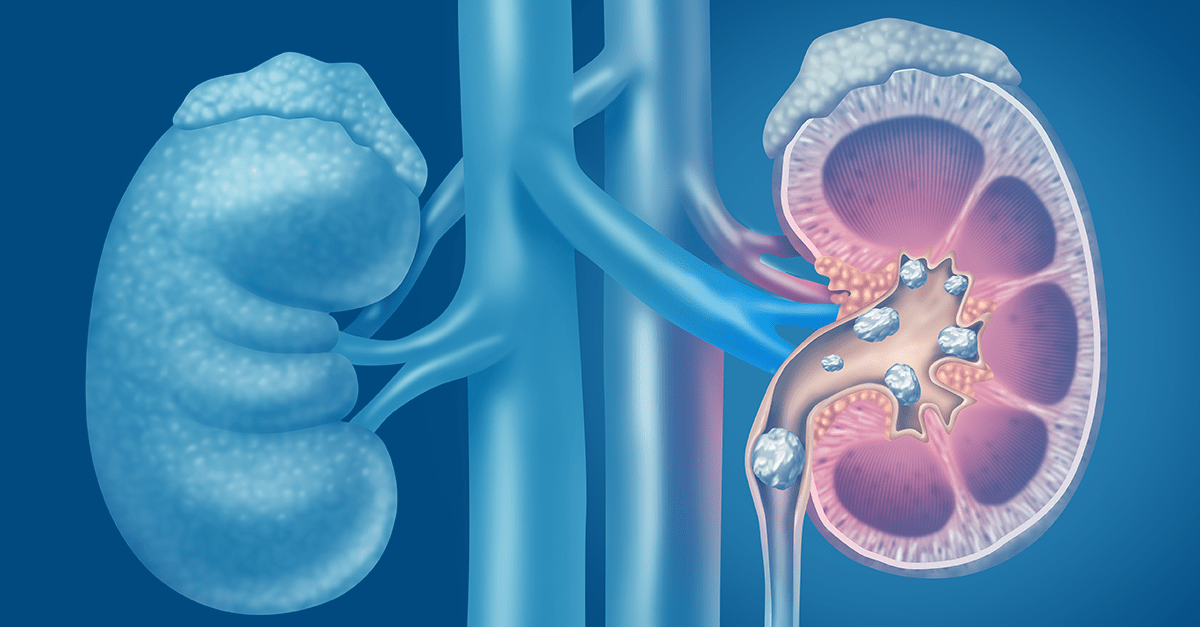
This blog is part of a series discussing our integrative approach to kidney stone prevention and management. In this blog we will discuss the dietary approach to kidney stone prevention. By Lara Zakaria, PharmD, CNS, CDN, IFMCP Kidney stone formation (also called urolithiasis or nephrolithiasis) is a complex disease influenced by multiple factors including diet, genetics, and…
This is part of a series of blogs discussing an individualized comprehensive gut restoration protocol in chronic kidney disease. The Gut-Kidney Connection Researchers have established a relationship between gut integrity and microbiome diversity with various chronic diseases, including kidney disease. Increased intestinal permeability, also known colloquially as “leaky gut” has been shown to be at the root…
Micronutrients (vitamins and minerals) are essential for every structure and function in the human body, including but not limited to the function of the heart, blood vessels, and immune system. Thousands of enzymes in the body require micronutrients for optimal function. Some medications interact with micronutrients, and micronutrients may interfere with the action of medication….
The phrase “our genes are not our destiny”, describes how nutrition and lifestyle factors can have a positive impact on genetic expression for certain diseases. This field of study is called epigenetics. Recently, researchers have found evidence that diet and lifestyle modifications can impact polycystic kidney disease (PKD). What is Polycystic Kidney Disease? PKD is a…
You might be surprised to learn that arsenic is micromineral naturally found in our food and in the soil. However, in higher amounts arsenic is a toxic heavy metal. Even though arsenic poisoning is lethal, it’s important to realize that lower level chronic exposure to arsenic can negatively impact kidney health. By Majd Isreb, MD,…
Kidney disease (KD) is associated with changes in bone health and mineral balance. Vitamin D is a fat-soluble vitamin that is essential for life and is crucial for calcium balance and bone health. The kidneys are central in the activation of vitamin D and play a key role in regulating circulating levels. Vitamin D as…