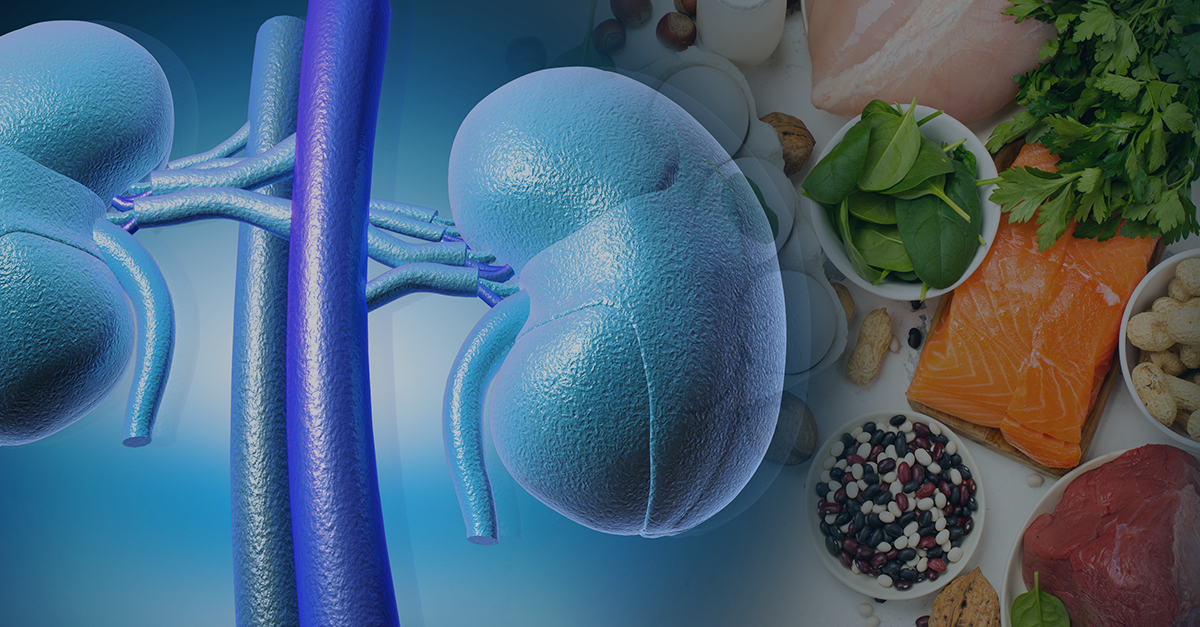
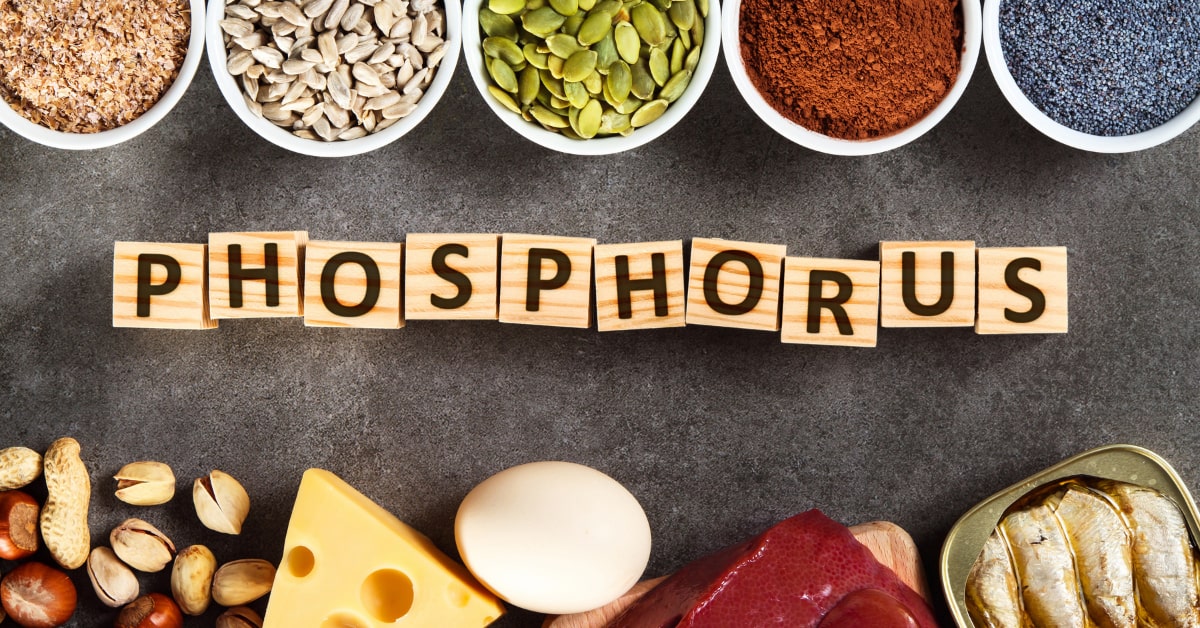
One of the most harmful nutrients to the kidney is phosphate. Yet, the body needs phosphate for many essential biological functions. In this blog, I will discuss and clarify the role of dietary phosphate in kidney health. I will use the term phosphorus instead of phosphate for ease.

Tag Archives: kidney health
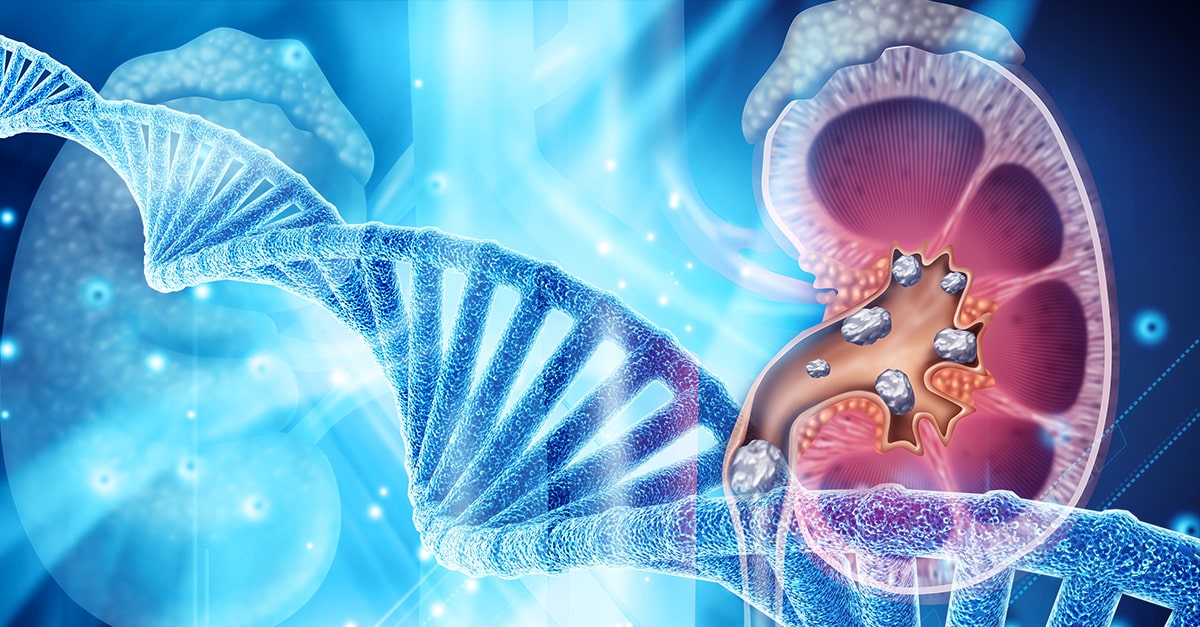
Genetics are one factor that plays a significant role in the development of kidney disease. Genome-wide association studies (GWAS) have identified several hundred genes that are associated with kidney diseases. Therefore, genetic testing may play a crucial role in the management of kidney disease patients.
Current evidence suggests that genetics play a role in the development of kidney disease. Common genetic disorders associated with kidney disease include polycystic kidney disease, Alport’s Syndrome and Fabry’s disease. In this blog, we will detail the benefits of broad-panel genetic testing in kidney disease management.
Although there has been a considerable reduction in lead exposure over the last few decades, low level exposure is still common, globally. How does lead exposure affect kidney health?
In this blog we discuss the challenges of adopting lifestyle modifications for kidney health and provide tips to help with successful implementation.
In this blog, we talk about some of the basics of physiology and psychology to understand how the brain can implement lifestyle changes.
High intake of animal protein has been associated with an accelerated decline in kidney function and increased protein being spilled in the urine. However, there is a generalized fear of recommending a very low protein diet to patients with kidney disease. There is concern this diet may provoke malnutrition especially because poor nutritional status could…
To understand the relevance of ketoacid analogues in chronic kidney disease, one need to learn the biochemistry of amino acids (AA) metabolism. This blog will attempt to describe it in short. Excess AA in a protein-rich diet is metabolized through a process called transamination. This involves the removal of the nitrogen (or the amino group…
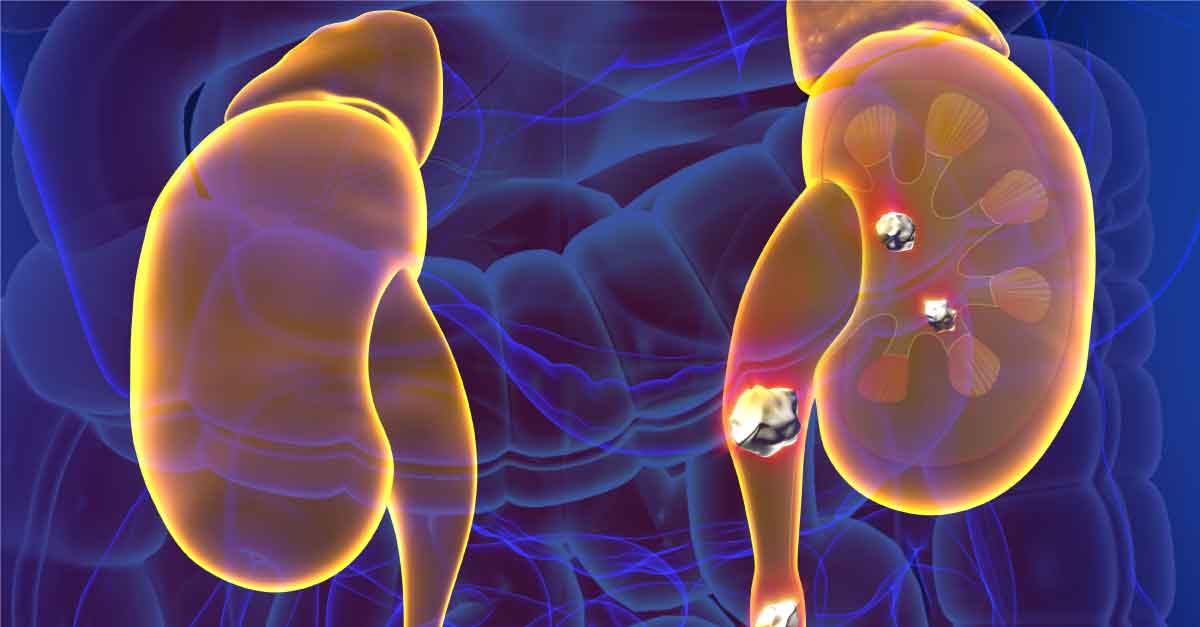
Kidney stone development is the composite end-result of multiple factors including genetic, dietary and environmental, and can have serious consequences. They are often painful and if left unaddressed can lead to more severe conditions such as obstruction of urinary flow and permanent damage to the kidneys. Recurrent kidney stones are one of the common causes…
This blog is part of a series discussing our integrative approach to kidney stone prevention and management. In this blog we will focus on the microbiome and kidney stone formation. Kidney stone formation (urolithiasis) is a complex disease influenced by multiple factors including diet, genetics, and environment. They are painful, inconvenient, and when left untreated,…